Hey there, I’m Jake, and if you’ve ever hauled your outdoor luggage through muddy forest trails, sandy coastal paths, rain-soaked mountain passes, or even that unexpected grocery run after a weekend camping trip, you know that gear doesn’t just get used—it gets lived in. As someone who’s been in the outdoor luggage game for over a decade, I’ve seen everything: waterproof zippers that stopped working because of caked-on grime, nylon exteriors that faded from salt spray, and the odd stain from a backcountry BBQ sauce that seemed impossible to shift. For years, I’ve gotten questions from customers asking how to give their bags the care they need without ruining the materials that make them tough enough to keep up with their adventures. So today, I’m pulling back the curtain on the science of cleaning outdoor luggage—stuff I’ve learned testing gear in real-world conditions, not just reading generic cleaning guides that work for office briefcases, not for packs that carry your whole life off the grid. Outdoor Luggage

First, let’s get one thing straight: outdoor luggage isn’t like the bags you use for daily commutes. Most of our gear is built with specialized materials—recycled nylon ripstop for abrasion resistance, PVC-free waterproof membranes that keep water out while letting sweat escape, and corrosion-resistant zippers that we test to open and close 10,000 times. The wrong cleaner, or the wrong cleaning method, can strip those materials of their protective coatings, leading to leaks, tears, or zippers that seize up right when you need them most. That’s why the first rule of cleaning outdoor luggage is: check the care label. I know, it’s tempting to skip it, but that tiny tag sewn inside your pack or duffel isn’t just there for show. It’ll tell you if your bag has a waterproof membrane that needs gentle cleaning, or if it’s made with a fabric that can’t handle high heat.
Let’s start with the basics: pre-cleaning prep. You wouldn’t jump into a deep hike without checking your gear first, and the same goes for cleaning. First, empty every pocket and compartment—we once had a customer find a half-eaten protein bar in the bottom of their hiking duffel six months after their trip, and let me tell you, that’s a recipe for mold and weird smells. Remove any detachable parts too: shoulder straps, hip belts, rain covers, even external shoe pockets. Most of these can be cleaned separately, and taking them off prevents scrubbing or soaking that could damage their attachment points. Then, use a soft-bristled brush (an old toothbrush works great for tight spaces like zipper teeth) to knock off loose dirt, sand, and leaves. Do this outside if you can—you’ll save yourself from a mess in your garage—and be thorough: get in the crevices between zippers, under the bottom of the bag where dirt collects, and around any reinforced seams. Sand is abrasive, so leaving it on will grind against your bag every time you use it, wearing down the fabric over time.
Now, let’s talk about different materials, because one size doesn’t fit all when it comes to cleaning. We build our outdoor luggage for every kind of adventure, so we’ve got bags suited for different environments, each needing a specific approach. For example, our standard ripstop nylon duffels—great for weekend camping trips or hauling gear to trailheads—are tough, but they have a durable water repellent (DWR) coating that makes water bead up and roll off. Regular laundry detergent is too harsh for this coating; it can strip it away, leaving your bag less water-resistant. Instead, I recommend a mild, pH-neutral soap—think of it like using hand soap instead of dish soap for your hands. We tested this a few years back: a customer used regular laundry detergent on their nylon hiking pack, and within a year, the DWR coating was gone, so their pack leaked light rain. Switched to pH-neutral soap, and the DWR lasted another two years without reapplication. For hand-washing nylon, fill a tub with cool water, add a small amount of the soap, and swish it around to make suds. Dip a soft cloth or sponge into the soapy water, wring it out so it’s not dripping, and gently scrub the bag. Pay extra attention to stained areas—like grass stains from a park trail or mud from a mountain bike—don’t rub hard, that can push the stain deeper. Instead, dab or gently scrub the area, then rinse with cool, clean water until no soap suds run off.
Then there are bags with waterproof membranes, like our alpine touring packs or pontoon boat luggage, which are made to keep your gear bone-dry in heavy rain or snow. These have a microporous layer that lets moisture (sweat) escape but blocks liquid water. Harsh chemicals, bleach, or even abrasive scrubbing can clog those pores, making the bag less breathable over time. For these, a specialized technical cleaner is best—we actually worked with a fabric scientist a couple years back to develop a cleaner specifically for our membrane bags, but there are other reputable brands out there that don’t use parabens or phosphates. Never put a membrane bag in the washing machine—agitation can damage the delicate membrane layer, and the high heat from a dryer will melt it. Instead, stick to hand-washing. If the bag is really dirty, you can use a soft-bristled brush on the exterior, but be gentle. After washing, let it air dry completely, zippers open, in a shaded area—never direct sunlight, which can fade the membrane and break down the waterproof coating. I learned this the hard way: I once left a membrane pack out in the sun to dry, and the next time I used it on a hike, a light rain seeped through the shoulder straps. Took a trip to our repair team to get it re-coated. Lesson learned.
What about zippers? Zippers are the unsung heroes of outdoor luggage, and they’re one of the first parts to get ruined by dirt and grime. I can’t tell you how many times a customer brings in a bag because their main zipper seized up mid-trip, and it’s just because sand or dirt got stuck in the teeth. Cleaning zippers is simple, but it needs to be done regularly. First, use that old toothbrush to gently brush dirt out of the teeth—get in between every tooth, don’t just brush the surface. Then, you can use a small amount of beeswax or silicone spray (wait, not all sprays are good—avoid WD-40, it’s designed for metal parts and can leave a residue that attracts more dirt) to lubricate the zipper. We recommend beeswax because it’s natural, works well on fabric zippers, and doesn’t leave a greasy mess that will rub off on your clothes. Wipe off any excess so it doesn’t attract more sand. For zippers that are really stuck, a little bit of rubbing alcohol on a cloth can help loosen gunk, but make sure to dry it thoroughly afterward so it doesn’t cause corrosion.
Now, let’s tackle the tricky stuff: stains and odors. Stains from coffee on a road trip, BBQ sauce on a camping weekend, or even tree sap from a hike—these are the ones that make people want to throw their bags away. For food stains, act fast if you can—fresh stains are way easier to remove. For dried BBQ sauce, don’t scrub it at first. Let it soak in a little bit of warm soapy water (pH-neutral, remember) for 10 minutes, then gently dab it with a cloth. For tree sap, rubbing alcohol works well, but test it on a hidden part of the bag first, like the bottom corner, to make sure it doesn’t fade the fabric. For grass stains, a little bit of baking soda mixed with water makes a gentle paste—rub it into the stain, let it sit for 15 minutes, then rinse. Never use bleach on outdoor luggage, even if the label says it’s okay. Bleach breaks down fabric fibers over time, especially ripstop nylon, and it can damage waterproof coatings too.
Odors are another big one—mold from getting caught in the rain and not drying, sweat from a long hike, or that funky smell from a wet sleeping bag that got stored in your duffel. First, prevent odors in the first place by making sure your bag is completely dry before storing it. I once stored a pack after a fall hike in the Pacific Northwest, where it was damp for three days, and when I pulled it out a month later, it smelled like a forest floor that had been sitting in a rain barrel. To get rid of that smell, first wash the bag, then sprinkle a thin layer of baking soda inside, close it up, and let it sit for 24 hours. Then empty the baking soda and wipe the inside with a damp cloth. If the odor is still there, you can put a couple of dryer sheets inside (unscented, if you’re sensitive to smells) while it dries, or use a small amount of white vinegar in the rinse water when hand-washing. Just make sure to rinse thoroughly so the vinegar smell doesn’t linger.
A common question I get is: can I put my outdoor luggage in the washing machine? The short answer is—maybe, but only if the care label says it’s safe, and you follow specific rules. If it’s a standard nylon duffel with no waterproof membrane, you can put it in a front-loading washing machine (top-loading machines have an agitator that can damage fabric) on a gentle cycle, with cool water, and a mild detergent. Never use fabric softener— it can coat the fabric and block pores, reducing breathability and water resistance. Also, don’t wash it with other clothes, especially ones with zippers or buttons, which can scratch the exterior of your luggage. If your bag has any leather details (like some of our premium hiking packs), don’t put it in the washing machine— leather needs special care, so wipe it down with a damp cloth and leather conditioner, not soap. If you do use the washing machine, remove the bag as soon as the cycle is done and hang it up to air dry—never put it in a dryer, the heat will melt coatings and shrink fabric.
Now, what about maintenance to keep your outdoor luggage clean between deep cleans? A little bit of regular care goes a long way. After every trip, take 10 minutes to brush off dirt and sand, wipe down the zippers, and check for any small stains. Store your luggage in a cool, dry place—never in a basement that gets damp, or a garage that gets too hot in the summer or too cold in the winter. If you’re storing it for a long time, empty all pockets, make sure it’s completely dry, and stuff it with clean towels or old clothes to keep its shape. This prevents mold, mildew, and the fabric from getting musty.
I’ve seen too many good bags get ruined because people either don’t clean them right, or wait too long to clean them. A $10 cleaner and 30 minutes of your time is way cheaper than replacing a $200 hiking pack that could have been saved. At the end of the day, outdoor luggage is an investment—it’s what carries you, your gear, and your memories on every adventure. Taking care of it means it’ll be there for you for years, through every muddy trail, every rainy camping trip, every cross-country road trip.
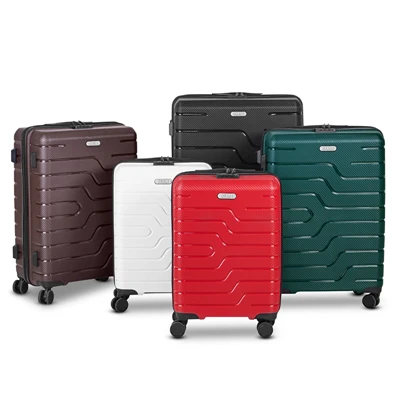
If you’ve got questions about cleaning a specific piece of outdoor luggage, or if you’re in the market for gear that’s built to last through all your adventures and the occasional deep clean, we’re here to help. Whether you need a new duffel for weekend trips, a waterproof pack for backcountry hikes, or something for your next expedition, our team can walk you through the best options and answer any care questions you have. Reach out to us to start a conversation about what you need—we’re passionate about keeping your adventures (and your luggage) in great shape.
Business Luggage References
Outdoor Industry Association. (2022). Gear Care Best Practices for Backcountry Equipment. Outdoor Industry Association.
Mountain Research Center. (2021). Technical Textile Maintenance: Preserving Waterproof Membrane Performance. Mountain Research Center.
Textile Institute. (2020). Cleaning Methods for Ripstop Nylon Fabrics: Effects on Durability and Coating Integrity. Textile Institute.
American Hiking Society. (2023). Camp Gear Care Guide: Luggage and Pack Maintenance. American Hiking Society.
Guangdong Meijiamei New Material Technology Co., Ltd.
As one of the most professional outdoor luggage manufacturers and suppliers in China, we also support customized service. Welcome to wholesale bulk high quality outdoor luggage made in China here from our factory. If you have any enquiry about quotation and free sample, please feel free to email us.
Address: Building 6, No.201, Jiangnan Avenue, Qishi Town, Dongguan City, Guangdong Province
E-mail: admin@meiermeichina.com
WebSite: https://www.cnmeijiamei.com/
