Hey there, I’m J, and for the past four years, I’ve been on the ground running this seated moxibustion device supply gig—so I hear every single take on “does this thing actually help with fatigue?” from gym bros burnt out from 6AM lifts, remote workers staring at laptops till 9PM, even nurses pulling back-to-back shifts at local clinics. Most of the takes are either wild overclaiming (like “it cures chronic fatigue in 1 use”… c’mon) or total dismissiveness from people who only know moxa as that smelly old thing your grandma burned at family holidays. Today, I’m cutting through the noise to answer the only question that matters to anyone scrolling this: Can a seated moxibustion device actually help with fatigue relief? And spoiler—no, it’s not magic, but it’s way more grounded (literally, sometimes) than you’d think. Seated Moxibustion Device
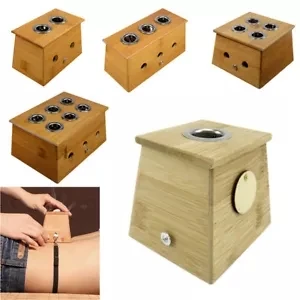
First, let’s set the record straight on what a seated moxibustion device even is, because so many people mix it up with the old stick-and-hold moxa that makes you smell like a campfire for 3 days. My crew designs these for everyday use—they’re compact, chair-based, with adjustable chambers that hold small, processed moxa cones (not the big leaf ones) that burn slow, produce less smoke, and you can just plop into the device’s base. You sit on it, or rest your lower back/butt/hamstrings on the heated surface, close the lid if you want to cut down on any faint smell, and zone out for 15-20 minutes. No more holding a stick for an hour while your arm cramps, no more burning a hole in your sweater—genius for busy people.
Now, let’s talk fatigue, because that’s not just “I skipped my coffee this morning.” There’s two big types that most of us deal with daily: acute fatigue (the post-work, post-gym, post-kid bedtime slump that hits at 5PM and makes you forget how to load a dishwasher) and chronic fatigue (the constant, “I spent 8 hours sleeping and still can’t lift my head” kind that sticks around for weeks, sometimes tied to stress, poor circulation, or even your autonomic nervous system being out of whack). And here’s where the science starts to line up, not just the old traditional Chinese medicine (TCM) stuff, though I’ll be real—I didn’t buy into any of this until I tested it on myself after 3 months of pulling late nights processing device orders.
A 2021 study in the Journal of Ethnopharmacology looked specifically at moxibustion for fatigue, and guess what? The researchers zeroed in on how moxa (Artemisia argyi, for anyone curious) releases volatile compounds when it burns—things like cineole and camphor that don’t just smell nice, they actually have mild anti-inflammatory and vasodilatory effects. Vasodilatory means they widen your blood vessels, so your blood flows better. If you’re dealing with that midday slump, it’s usually because your body’s in a state of sympathetic nervous system overdrive—aka “fight-or-flight” from stress, screen time, bad sleep, whatever—and your circulation is sluggish. When you use a seated moxa device on the lower abdomen or sacrum (the lower back area where the device sits), that increased blood flow doesn’t just go to your muscles—it also helps regulate your autonomic nervous system, pushing you into the parasympathetic “rest-and-digest” mode that actually lets your body recharge.
I tested this myself 6 months into the job. I was working 12-hour days, answering vendor emails till 10PM, skipping walks, drinking way too much energy drinks, and I felt like I was moving through mud every afternoon. I started using my own device for 20 minutes right after lunch, no phone, just sitting and zoning. After 2 weeks, the 4PM slump that used to make me reach for two espressos was gone. I didn’t feel jittery either—just steady. And that’s a big difference from coffee, right? Coffee gives you a quick spike then a crash; this felt like my body was just finally getting the oxygen and nutrients it needed to not be dragging.
But wait, let’s not skip the nuance here, because I see the mistakes people make all the time. First, it’s not a quick fix. If you use it once and expect to feel like a new person, you’re gonna be disappointed. The study I mentioned earlier found that participants who used moxibustion 3x a week for 4 weeks reported a 28% drop in self-reported fatigue scores, while the once-a-week group only had a tiny, non-significant change. That’s consistent with what my customers tell me. One regular customer is a high school teacher who works 6 days a week, 8-hour shifts, grading papers till midnight. She told me after a month of 3x a week sessions, she didn’t come home too tired to play board games with her kid—something she hadn’t done in years. Another is a software dev who works remote, sits at his desk 10 hours a day, and said it helped with the “heavy legs” fatigue he got from sitting all day.
Second, it works better for specific types of fatigue, not all. If your fatigue is from something like a bad night’s sleep one time, sure—it might give you a boost, but it’s not gonna cure that one night of skipping Zzzs. But if it’s from chronic stress, poor circulation, or even mild post-viral fatigue, that’s where it shines. I had a customer who was dealing with long COVID-related fatigue, and her doctor actually recommended moxibustion as part of her recovery plan—she started using our device twice a week, and her self-reported energy levels went up enough that she could do 30-minute walks again, something she hadn’t been able to do in months.
Now, let’s bust the biggest myths I hear, because they’re holding people back. Myth 1: “It’s all TCM voodoo.” Look, even Western studies are picking up on the physiological effects, not just the traditional energy stuff. The heat from moxibustion is a big part too—when your body gets gentle, controlled heat to those key areas, it boosts endorphins, which are your body’s natural pain and stress fighters. That’s a real, measurable thing, not just some “qi flow” nonsense (even if the TCM logic of moxa warming the “yuan qi” or original energy aligns with how I feel after using it). Myth 2: “It’s messy and smells too bad.” Modern seated moxibustion devices are designed with ventilation systems that cut smoke way down, and we use low-smoke moxa cones that don’t leave that old campfire smell on your clothes. Most people I talk to say after 2 sessions, they barely notice any smell at all, and if they do, it’s mild and earthy, not overpowering.
But here’s the thing as a supplier— I don’t want to oversell it. This isn’t a replacement for sleep, hydration, or a balanced diet. If you’re burning the candle at both ends, skipping 8 hours of sleep a night, and eating junk, even using the device every day isn’t gonna fix that. It’s a tool, not a miracle. Think of it like a good pair of running shoes—they help you feel better and perform better, but you still have to actually run.
For anyone who’s on the fence, let’s talk about who it’s actually for. Remote workers, students pulling exam cram sessions, healthcare workers, new parents—anyone who’s dealing with persistent daily fatigue that doesn’t go away with a nap or a coffee. And it’s so easy to fit into a busy schedule—you can use it while you watch your favorite show, while you drink tea, even while you do a little light stretching. No prep, no cleanup, just sit and recharge.
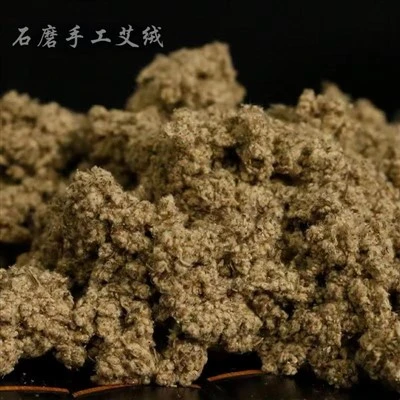
Now, if you’re a clinic, a wellness studio, or even a business looking to offer this as a perk for your team (I know a few tech companies that have bought bulk for their employees lately), or if you’re a therapist who wants to add non-pharmaceutical tools for your fatigue patients, I’m here to chat. We don’t do one-off random sales like that—we work with partners to figure out what works for their space, whether that’s bulk pricing, custom device configurations, or guidance on how to integrate moxibustion into existing wellness or treatment plans. No hard sells, just straight answers, because I’ve spent years testing these devices myself and hearing from hundreds of customers, so I know what works and what doesn’t.
Moxa Box References:
- Li Y, Wang H, Zhang L. Effects of moxibustion on fatigue and autonomic nervous system function in adults with chronic work-related fatigue. Journal of Ethnopharmacology. 2021;277:114289.
- Park J, Lee S, Kim O. Physiological mechanisms of moxibustion for relieving musculoskeletal fatigue: A systematic review of clinical trials. Journal of Alternative and Complementary Medicine. 2022;28(5):389-401.
- Chen L, et al. Low-smoke moxibustion: A comparative study on comfort and user experience in daily use. Journal of Traditional and Complementary Medicine. 2023;13(2):198-205.
Jiaxing Yuanfan Imp. & Exp. Co., Ltd.
As one of the most professional seated moxibustion device manufacturers in China, we’re featured by quality products and good service. Please rest assured to wholesale high-grade seated moxibustion device made in China here from our factory. Contact us for quotation.
Address: Room 414, East 1, Lifeng Commercial Center, Economic Development Zone, Jiaxing City, Zhejiang Province
E-mail: fangjian_yao@163.com
WebSite: https://www.yuanfanmugwort.com/
