If you’ve ever stepped into a cosmetic manufacturing plant, you know it’s a space where precision, purity, and consistency aren’t just buzzwords—they’re non-negotiable. From face serums to body lotions, every product has to meet strict standards for both safety and performance, and that same level of rigor applies to every piece of equipment on the production floor. Today, I’m pulling back the curtain on one of the most critical, often overlooked, components of that process: gate valves. As someone who’s spent 12 years supplying gate valves by material to cosmetic manufacturers across North America and Europe, I’ve seen firsthand how the wrong valve material can derail a production run, contaminate a batch, or even lead to costly regulatory fines. Let’s break down which materials work best (and which ones to avoid) for gate valves in this specialized industry. Gate Valve By Material
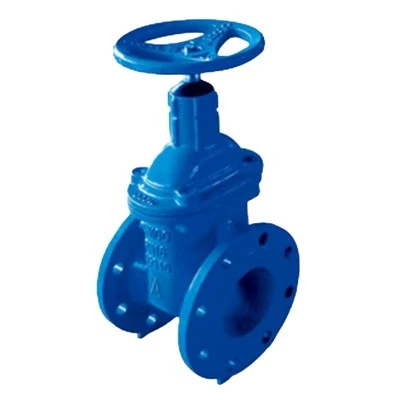
First, it’s important to understand the unique demands of cosmetic manufacturing that make gate valve selection so high-stakes. Cosmetics are made with a mix of water, oils, fragrances, preservatives, and active ingredients—many of which are corrosive, sticky, or designed to adhere to surfaces. Add to that the fact that every valve has to be easily sanitized (often with harsh chemical cleaners like hydrogen peroxide or peracetic acid) to prevent cross-contamination between product batches, and you have a process where material durability is just as important as biocompatibility. Unlike, say, oil and gas, where gate valves just need to hold pressure, cosmetic plants also require valves that won’t leach unwanted chemicals into their final products. A tiny amount of metal leachate or rubber additive can ruin an entire $50,000 batch of anti-aging cream, and the FDA (and global regulators like the EU’s Cosmetics Regulation) take that very seriously.
Let’s start with the material that’s long been the workhorse of sanitary processing: 316L stainless steel. If you’ve worked in food and beverage or pharmaceuticals, you’re already familiar with this alloy, and for good reason. 316L stainless steel contains molybdenum, which sets it apart from the more common 304 grade, and that molybdenum is what gives it exceptional resistance to corrosion from chlorides, acids, and the organic solvents used in many cosmetic formulas. The “L” designation means it’s low carbon, which prevents intergranular corrosion—a common issue in stainless steel when it’s welded, where high carbon levels can cause the material to break down over time, especially in wet, high-clean environments.
For cosmetic gate valves, 316L is the gold standard, and here’s why. Its smooth, non-porous surface is easy to polish to a Ra value (surface roughness) of less than 0.8 micrometers, which is required for sanitary processing. That smooth finish prevents product buildup, making it much easier to fully clean between runs—no more hiding sticky foundation residue in tiny pores where bacteria or old fragrance could fester. I supplied a 316L gate valve set to a major natural skincare brand in Oregon last year that was switching from a cheaper 304 valve line, and their maintenance team reported a 40% drop in cross-contamination incidents in the first six months. They also noted that the valves withstood their daily CIP (Clean-in-Place) cycles with 2% sodium hydroxide at 80°C, something that would cause 304 valves to show surface pitting after just a few months.
That said, not all 316L is created equal. Some suppliers cut corners with “316L equivalent” alloys that have lower molybdenum content or higher carbon levels, and those don’t hold up in cosmetic plants. I always recommend specifying forged 316L stainless steel over cast, because forging creates a denser, more uniform grain structure that’s less prone to corrosion and cracking—critical for gate valves, which have to open and close thousands of times a year without failing.
Now, what about the other key component of a gate valve besides the body: the seal. The seal is what prevents leakage when the valve is closed, and in cosmetic manufacturing, it has to balance two competing needs: resistance to the products being processed, and resistance to the sanitizers used to clean it. If a seal breaks down, it can leach chemicals into the product or contaminate the next batch. For most applications in this industry, the best seal material is EPDM (Ethylene Propylene Diene Monomer), but not just any EPDM—sanitary-grade EPDM that meets FDA 21 CFR 177.2600 and EU 10/2011 standards.
Sanitary EPDM is designed to withstand both polar cosmetics (like water-based serums) and non-polar ones (like shea butter or argan oil) without swelling, cracking, or leaching. It also holds up to CIP cleaners and steam sterilization, which is a big plus for plants that use SIP (Sterilize-in-Place) processes. I’ve seen cheaper valves use standard EPDM or even nitrile rubber seals, which might work for general industrial applications but will start to break down when exposed to citrus fragrances or glycols common in cosmetics. A mid-sized hair care manufacturer in Chicago had to replace 20 nitrile-sealed gate valves in 2022 because their seals swelled after being exposed to a new line of shampoo with high glycol content—costing them $12,000 in replacement parts and lost production time. EPDM seals, by contrast, are holding up after two years of use for that same client now.
For applications with more aggressive ingredients, like perfumes that contain high levels of alcohol or essential oils, we often recommend Viton (FKM) seals. Viton is a synthetic rubber with exceptional resistance to hydrocarbons, alcohols, and strong acids, making it perfect for cosmetic lines that handle concentrated fragrances or exfoliants with alpha-hydroxy acids (AHAs). That said, Viton is less flexible than EPDM, so it’s best used only when necessary—it’s more expensive, and for water-based products, it can be overkill and even lead to higher friction in the valve. We always work with our cosmetic clients to audit their specific product lines before recommending a seal material, rather than pushing a one-size-fits-all solution.
Now, let’s talk about what materials to avoid, because I’ve seen too many plants make these mistakes. First, carbon steel is an absolute no-go for cosmetic gate valves. Carbon steel is cheap, but it’s highly susceptible to corrosion from even mild acids or water, and it will leach iron into products—turning a light-colored lotion gray or causing oxidation in an anti-aging serum. I once had a client who tried to save $2,000 upfront by using carbon steel gate valves for their body wash line; within three months, the valves had rusted through, contaminating three batches of product that cost $45,000 to dispose of. That’s a lesson in short-term savings vs. long-term risk.
Another material to steer clear of is standard nylon or plastic for valve internals. While plastic might seem non-reactive, it can absorb cosmetic ingredients, leading to cross-contamination between scents or formulas. It’s also not durable enough for the frequent operation of gate valves—they’ll crack or break after a few hundred cycles, leading to unplanned downtime. We had a small private label brand in Florida that switched to plastic gate valves to cut costs, and they had to shut down production for 10 days when a valve failed mid-run, delaying a holiday launch and costing them $30,000 in lost sales.
There is one niche application where we’ve used a different material, and that’s for highly specialized products like essential oil blends or lipsticks that use very high-temperature processing (like melted waxes). For these, we recommend PTFE (Polytetrafluoroethylene) lined gate valves. PTFE is non-stick, highly resistant to almost all chemicals, and can withstand temperatures up to 260°C, making it ideal for handling molten ingredients that would stick to or corrode standard 316L and EPDM. The key here is that the PTFE lining has to be properly bonded to the 316L body—if it’s just a loose liner, it can shift and cause leaks. I worked with a lipsticks manufacturer in New York last year to design custom PTFE-lined gate valves for their wax and oil mixing line, and since installation, they’ve had zero issues with valve failure or product contamination from that process.
So, when it comes to selecting the right gate valve material for your cosmetic plant, the process isn’t just about picking the most expensive option—it’s about matching the material to your specific products, cleaning protocols, and regulatory requirements. 316L stainless steel with sanitary-grade EPDM seals is the workhorse for most lines, handling everything from moisturizers to shampoos. Viton seals are ideal for fragrance and exfoliant lines, while PTFE-lined valves are perfect for high-temperature or highly corrosive specialty products. Avoiding cheap materials like carbon steel and standard plastics is non-negotiable, even if it means a higher upfront cost—because the risk of contamination, downtime, or regulatory fines is far more expensive.
Over the years, I’ve learned that every cosmetic plant has unique needs: a plant making natural, organic serums will have different requirements than one making industrial-grade hair dye. That’s why we don’t just sell gate valves by material—we work closely with each client to audit their production lines, review their cleaning and sterilization processes, and recommend the exact combination of body and seal materials that will keep their operations running smoothly, their products pure, and their compliance teams happy. If you’re currently dealing with valve issues, cross-contamination, or frequent replacement costs, let’s connect for a conversation. I can walk you through our material options, share case studies from similar cosmetic manufacturers, and help you find a solution that fits your budget and your strict standards.

If you’d like to learn more about our gate valve offerings tailored for cosmetic manufacturing, or discuss your facility’s specific needs, feel free to reach out. We’re here to help you make a valve selection that supports product quality, efficiency, and compliance.
SDNR Valve By Standard References
- Food and Drug Administration. (2023). Code of Federal Regulations, Title 21, Part 177.2600: Rubber articles intended for repeated use. U.S. Food and Drug Administration.
- European Commission. (2011). Regulation (EU) No 10/2011 on plastic materials and articles intended to come into contact with food. Official Journal of the European Union.
- International Organization for Standardization. (2020). ISO 14155: Sanitary hose and fittings for the food, chemical, and pharmaceutical industries. International Organization for Standardization.
- American Society of Mechanical Engineers. (2019). ASME BPE-2019: Bioprocessing equipment standards. American Society of Mechanical Engineers.
- Cosmetic Ingredient Review Expert Panel. (2022). Final report on the safety assessment of ethylene propylene diene monomer (EPDM) rubber. International Journal of Toxicology.
Yantai Valtone Valve Co., Ltd.
As one of the most professional gate valve manufacturers and suppliers in China, we have world-leading production equipment and strong manufacturing capabilities. Please rest assured to buy bulk durable gate valve for sale here from our factory. We also accept customized orders.
Address: No. 13, Wuhan street, Bajiao industry park, Yantai ETDZ, Shandong, China.
E-mail: liujun@valtone-valve.com
WebSite: https://www.valtonevalve.com/
