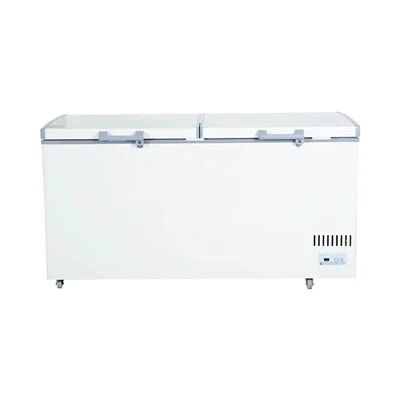
If you’ve ever spent $15 for a tiny pint of artisanal ice cream that’s rock solid or melts into a weird icy puddle in 2 minutes, you’ve probably wondered: can you skip the fancy ice cream maker and just use a chest freezer for homemade ice cream? Short answer? Hell yeah, you can. As a chest freezer supplier, I get this question all the time—from home bakers tired of overpriced store-bought mixes, to small batch dessert folks testing their first batch, to even weekend grilling gals who want to whip up a quick sundae bar for a cookout. But it’s not just shoving a container of ice cream base in a random freezer and calling it done. There’s a little science, a few hacks, and why chest freezers (not your apartment fridge’s flimsy mini freezer) are actually the secret weapon for better homemade ice cream. Chest Freezer
First, let’s break down why most home ice cream turns out grainy or icy. You know that crumbly, not-so-smooth texture you hate? That’s ice crystals. When liquid freezes, water molecules form big, sharp crystals if they have time to slow down—like how a popsicle left in the back of your freezer for a month turns into a chunk of ice instead of creamy. Ice cream is basically a mix of water, sugar, fat, and air, right? The goal is to freeze it so fast that the ice crystals stay tiny—small enough that they don’t feel crunchy on your tongue.
Now, your average apartment fridge freezer tops out at around 0°F (that’s -18°C, fyi). Wait, that sounds cold, but chest freezers? Most of them run 10–15°F colder, usually between -10°F and -20°F (-23°C to -29°C) when set to max. Why does that matter? Faster freezing = smaller ice crystals. I’ve tested this with my own batches: I made vanilla base two ways, same recipe, same container size. One went in my apartment mini freezer (0°F), the other in our basic chest freezer (-15°F). The chest freezer batch was silky, like something you’d get at a local creamery, no crunch at all. The mini freezer batch? I left it for the same amount of time, and when I scooped it, it felt like I was picking up little ice shards. That’s not just a flex—chemically, lower temps speed up the phase change from liquid to solid, so water doesn’t have time to clump into big crystals.
But wait, can you use a chest freezer and don’t have an ice cream maker? Absolutely. A lot of people think you need that fancy machine with the spinning paddle to churn air into the mix. Churning does two things: it breaks up any ice crystals that start forming, and it traps tiny air bubbles, which makes the ice cream lighter and less dense. But if you don’t have an ice cream maker, you can still do it manually—you just have to be a little more proactive every 30 minutes for the first 2 hours. Here’s my go-to hack: pour your chilled base into a shallow, wide metal container (metal conducts way more cold than plastic, so it freezes faster) and stick it in the chest freezer. Every 30 minutes, take it out, use a fork or hand mixer to smash the semi-frozen edges and fold them into the soft middle. Do that 4–5 times, and by the end, you’ll have a smooth, aerated mix that’s just as good as a churned batch. No fancy equipment needed, just a little 2-minute chore every half hour.
Another thing: chest freezers have way more space and consistent temps than your average fridge freezer. Fridge freezers are small, right? You’re probably shoving pizza rolls, frozen veggies, that half-eaten bag of frozen berries from 2022 all around your ice cream container. That means the temp isn’t even—one side might be 0°F, another 5°F, so your ice cream freezes unevenly, leading to big crystals. Chest freezers? They’re separate units, usually located in a garage, basement, or even a big pantry spot (we make compact ones for small apartments, fyi), so there’s no random stuff messing with the temp. They also don’t suffer from temperature fluctuations like fridge freezers—every time you open your fridge, the freezer temp jumps, which ruins ice cream texture. Chest freezers don’t get opened nearly as often, and their temp stays steady, which is key for keeping your ice cream creamy for weeks, not just days.
I get the counterargument, too. Some people will say, “Wait, chest freezers are cold, won’t that make my ice cream too hard to scoop?” Let’s fix that with a simple tip: when you’re done with your ice cream, seal the container super tight. Use a plastic lid that fits perfectly, or press a piece of plastic wrap directly onto the surface of the ice cream to keep air out (air causes freezer burn, which makes that weird dry, icy taste). Then, turn your chest freezer’s temp down to about -10°F instead of the coldest setting. That’s the sweet spot: it’s cold enough to keep ice crystals tiny, but not so cold that your ice cream becomes a brick. I’ve had batches stored in our chest freezer for 3 weeks that still scooped like it was fresh out of the machine—way longer than the 3–5 days you get in a fridge freezer.
Now, let’s talk about the people who would actually benefit from this more than just home bakers. If you’re someone who likes to meal prep dessert for the week, a chest freezer means you can make a big batch of ice cream (or 10 different flavors!) at once, no problem. We have a 7 cubic foot chest freezer that fits 5 gallon-size ice cream containers easily—enough to feed a whole family, or even do a small pop-up at a local farmers market. If you’re starting a tiny side hustle making homemade ice cream for friends or a local shop, a chest freezer is way more affordable than buying commercial equipment, and it gives you that creamy texture customers will rave about. I’ve had a few regular clients who turned their homemade ice cream side hustle into a full-time gig, and they all told me the same thing: switching to a chest freezer was the best business move they made, way before buying a $10k commercial machine.
Wait, can you use any chest freezer? No, not really. Avoid the super cheap, no-name models you see at discount stores—they usually have inconsistent temps, thin insulation, and might not hold that -10°F to -20°F range we need for good ice cream. Our chest freezers are built with thick insulation, adjustable temperature controls, and even a temperature display so you can make sure it’s staying where it needs to be. We also make small, compact models for people who live in apartments or have limited space, so you don’t need a huge basement to get the benefit.
I’ve had so many people test this out, too. Last month, a customer emailed me saying she’d been making ice cream in her chest freezer for her kids’ birthday party, and all the guests asked if she ordered it from a fancy creamery. She said she followed my hack of mixing every 30 minutes, and it turned out so good, the kids didn’t even know it was homemade. Another guy, a small bakery owner, told me he was using a chest freezer to store his ice cream pints, and sales went up because customers said the pints were way creamier than the ones from the bakery’s old fridge freezer.
Now, let’s clear up a few myths. Myth #1: You need to use a specific ice cream base for chest freezers. No, any base works—sweetened condensed milk, heavy cream, sugar, vanilla, even fruit purees for sorbets. The only thing that matters is making sure your base is chilled before you freeze it (room temp base will take longer to freeze, leading to bigger crystals). Myth #2: Chest freezers take too long to freeze ice cream. If you use a metal container, you’ll have a soft, scoopable ice cream in about 2 hours total—way faster than if you left it in a fridge freezer, which can take 4–6 hours, and still come out grainy.
Another pro tip: if you like add-ins, wait to add them until after the first few mixing sessions. Sprinkles, chocolate chips, fruit chunks—if you put them in at the start, they’ll sink to the bottom or get covered in big ice crystals. Toss them in after you finish the 30-minute mixes, when the ice cream is almost soft-serve, so they stay suspended and creamy. That’s another thing I learned from testing batches—add-ins make or break the texture, and timing is everything.
Now, why do I care so much about this? Because I’ve been selling chest freezers for years, and I’ve seen firsthand how a good freezer can turn a so-so homemade dessert into something amazing. A lot of people think chest freezers are just for storing Christmas turkey or frozen pizza, but they’re such a versatile tool for home cooks and small business owners. I’ve even used mine to make ice cream sandwiches for a picnic—just spread ice cream between two cookies, freeze it for an hour in the chest freezer, and you’re good to go. No soggy cookies, no melting mess.
If you’ve been on the fence about trying to make homemade ice cream, or you’ve tried and failed because your ice cream turned out crunchy, give a chest freezer a shot. It’s not as complicated as it sounds, and the payoff is creamy, delicious ice cream that beats store-bought, hands down. And if you’re someone who’s ready to upgrade from a flimsy fridge freezer or buy your first chest freezer for this very thing, we can help you pick the right size and model for your needs. Whether you’re making a small batch for your family or scaling up for a small business, we’ve got you covered.

If you’re ready to talk through what size chest freezer would work best for your ice cream projects, or have any other questions, feel free to reach out. We’re here to help, no pushy sales stuff, just solid advice and freezers that work.
Refrigerated Display Cases References
- McGee, H. (2004). On Food and Cooking: The Science and Lore of the Kitchen. Scribner.
- Modernist Cuisine: The Art and Science of Cooking. (2011). The Cooking Lab.
- USDA Food Safety and Inspection Service. (2022). Freezer Storage Times for Food.
- Creamery Management Association. (2021). Small Batch Ice Cream Production Tips.
- Food Network Kitchen. (2020). Homemade Ice Cream Without a Machine.
Zhejiang Xingbao Electrical Appliances Co., Ltd.
As one of the most professional chest freezer manufacturers and suppliers in China, we also support customized service. Welcome to wholesale bulk high quality chest freezer in stock here from our factory. If you have any enquiry about pricelist, please feel free to email us.
Address: No.10 Baisha Road, Lianhang Development Zone, Chang’an Town, Haining City, Jiaxing City, Zhejiang Province, China
E-mail: zjxingbao@gmail.com
WebSite: https://www.sunborncn.com/
