What’s up everyone, if you’ve been in the industrial parts space long enough, you’ve probably heard a ton about insert bearings – but today we’re breaking down one specific type that’s been a total game-changer for so many applications: the eccentric lock insert bearing. I’m [your first name], I run this insert bearing supply spot where we help folks get the right parts for their machines without all the confusing tech jargon you see everywhere else. Let’s cut through the noise and explain what this bearing actually is, how it works, and why it matters for your gear. Insert Bearings
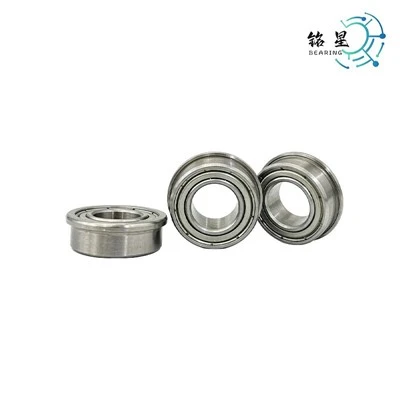
First, let’s start with the basics so we’re all on the same page. Insert bearings, for the uninitiated, are basically bearing units that have a spherical outer surface – that’s key, right? They slide right into a matching spherical bore in a housing, so they can self-align a little. That’s super useful when, say, a shaft isn’t perfectly straight or the housing has tiny alignment shifts from wear or vibration. Now, the eccentric lock part is the specific locking mechanism that sets this bearing apart from others like setscrew or grub screw locks.
Let’s get concrete on what “eccentric” means here. Eccentric just means something that’s off-center, right? In this case, it’s a locking collar that’s not centered on the bearing’s inner ring bore. When you slide that collar onto the shaft, it’s positioned so one side sits closer to the shaft than the other. When you tighten the lock screw on that collar, it pulls that off-center side tight against the shaft – that wedges the bearing in place, no slipping, no shifting. Unlike a setscrew, which digs into the shaft (and can leave scratches that wear out the shaft over time), the eccentric lock distributes pressure more evenly around the shaft surface. That’s a big win for shaft longevity, trust me.
Wait, let’s not mix it up with other locking styles because that’s where a lot of people get confused. Setscrew insert bearings are the most common, but they’re not ideal for high-vibration setups – like conveyor systems, agricultural equipment, or heavy machinery that shakes a lot. A setscrew can work loose, especially if you’re running the machine around the clock. Grub screws are similar, just a different head style, same issue. Then there’s the eccentric lock: that off-center collar’s design means every time the machine vibrates, it actually gets tighter, not looser. That’s a huge difference for reliability.
Now, let’s walk through how it’s installed because it’s way simpler than you might think, and that’s another reason people love these. First, you slide the insert bearing into your housing – easy, no special tools there. Then you slide the eccentric lock collar onto your shaft. Wait, important: you don’t just slap it on willy-nilly. You line up the set screw hole in the collar with a flat spot or a grub screw hole in the bearing’s inner ring (depending on the specific design, some have both). Then you slide the whole shaft + bearing assembly into the housing, so the bearing’s outer sphere sits perfectly in the housing’s bore. Then you tighten that one lock screw on the eccentric collar – that’s it, no multiple screws to torque up, no risk of uneven tightness. A lot of our clients say they cut their installation time in half with these compared to setscrew units.
What are the use cases where an eccentric lock insert bearing shines? Let’s list the ones we see most often here at the supply spot. First, agricultural machinery – think tractors, combine harvesters, hay balers. Those machines run through mud, dirt, constant vibration, and rough terrain. A loose bearing can lead to downtime that costs you hundreds or thousands an hour. We’ve swapped out so many setscrew bearings on balers that would slip mid-bale – the eccentric lock ones never have that issue, even after months of use in the field.
Next, conveyor systems – especially for heavy-duty stuff like manufacturing lines, food processing (wait, side note: a lot of our eccentric lock bearings are available with food-grade grease for food processing, no cross-contamination risks), and warehouse conveyors. Conveyors run nonstop, so any bearing failure stops the whole line. The eccentric lock’s anti-slip design means we rarely get emergency calls for conveyor bearing issues compared to other lock types.
Then there’s outdoor equipment, like golf course turf machinery, park maintenance equipment, and construction equipment parts. Those are exposed to weather, dust, temperature swings – the last thing you need is a bearing that comes loose because it got cold or hot and shifted. The even pressure from the eccentric collar doesn’t cause stress concentrations that lead to premature failure, either.
Wait, let’s talk about pros and cons so we’re being honest, not just hyping the product. The pros first: anti-vibration locking (huge), easy installation, no shaft damage from set screws (we see so many shafts ruined by over-tightened setscrews), self-alignment works better with the stable lock, and they’re generally lower maintenance than other types. The only real con? If you’re working with super small shafts, sometimes the eccentric collar design is too bulky – for shafts under like 1 inch, setscrews are usually more practical because the collar doesn’t fit right. For anything above that, though, eccentric locks are the way to go.
A lot of people ask us: how do I know if an eccentric lock insert bearing is the right fit for my machine? Let’s break down the quick checklist. If your machine runs with consistent vibration (ag, conveyors, heavy equipment) – yes. If downtime would be super costly (manufacturing lines, agricultural harvest season) – yes. If you’re tired of replacing shafts because setscrews dig into them – yes. If you’re installing in a housing that has a spherical bore (which is standard for insert bearings, so that’s a given) – you’re good to go.
We’ve had a recent example that sums this up. A local farmer came to us a couple months ago, he was replacing setscrew bearings on his combine’s grain auger every harvest – one would slip, he’d spend 4 hours swapping it mid-harvest, missing out on perfect corn picking windows. We hooked him up with eccentric lock insert bearings, and he texted us two weeks later saying he hasn’t had a single issue. That’s the stuff we live for here – solving real problems, not just selling parts.
Now, let’s address a common myth: some people think eccentric lock bearings are more expensive, so they skip them. Yeah, upfront they might be a little pricier than basic setscrew ones, but the total cost of ownership is way lower. You don’t have to deal with emergency downtime, you don’t have to replace shafts, you don’t have to check tightness every week. Over a year, that adds up to way more savings than the extra initial cost. We’ve run the numbers with so many clients – it’s not even close.
Another thing we tell folks: not all eccentric lock insert bearings are the same. The quality of the material matters. We source our bearings from places that use hardened steel for the inner and outer rings, corrosion-resistant coatings for outdoor use, and precision-machined eccentric collars that don’t wear out over time. A cheap no-name bearing might have a wobbly collar that slips after a month, so you end up right back where you started. That’s why we only stock parts we’d put on our own equipment.
Wait, let’s clear up a quick detail that trips people up: the self-aligning feature. Insert bearings are designed to handle minor misalignment between the shaft and housing, right? The eccentric lock’s design doesn’t interfere with that self-alignment. A setscrew, if it’s not tightened right, can restrict that movement, but the eccentric collar’s even pressure lets the bearing pivot a little to compensate for any alignment issues. That’s another big plus for machines that might have slight wear in their housings over time.
Let me wrap this up so it’s not a wall of text. If you’re still on the fence about whether an eccentric lock insert bearing is the right choice for your application, don’t overcomplicate it. Think about your machine’s operating conditions, how much downtime would hurt, and how long you want the parts to last. At the end of the day, these bearings are built for reliability – which is the whole point of industrial parts, right?
I’ve seen too many clients waste money on cheap, unreliable bearings that cause headaches. We’re not here to push a one-size-fits-all part, but if your setup has vibration, requires consistent performance, and you don’t want to deal with constant adjustments, this is the way to go.
Stainless Steel Bearings If you’re ready to chat about your specific application, need a quote, or just have a question about sizing or fit, hit us up to connect and talk through your needs. We’re here to make sure you get the right part, no B.S., no confusing tech hoops to jump through.
References
- Shigley, J. E., & Mischke, C. R. (2020). Standard Handbook of Machine Design (4th ed.). McGraw-Hill Education.
- SKF. (2022). Insert Bearings: Design and Application Guide. SKF Group.
- American Society of Mechanical Engineers (ASME). (2021). B106.1M-2021: Plain Bearings and Bearing Units. ASME International.
- Timken. (2023). Bearing Locking Mechanisms for Industrial Applications. TimkenSteel Corporation.
Taizhou Mingxing Bearing Co., Ltd.
As one of the most experienced insert bearings manufacturers and suppliers in China, we warmly welcome you to wholesale durable insert bearings in stock here from our factory. All customized bearings are with high quality and competitive price. For quotation, contact us now.
Address: No.168 Tonghe East Road, Luotuo Subdistrict, Zhenhai District, Ningbo City, Zhejiang Province
E-mail: qpj16888@outlook.com
WebSite: https://www.mingxingbearing.com/
