If you’ve ever browsed specialty coffee shelves at your local grocery store, a boutique roaster’s shop, or even a well-stocked convenience store, you’ve probably pulled a bag off the shelf without giving its design much thought. But as someone who’s spent years working with coffee packaging for roasters of all sizes, from tiny micro-roasters pouring out 50-pound batches a week to larger operations distributing across the country, I can tell you that the bag holding your favorite roast is far more intentional than it looks. That bag, specifically, is a stand-up coffee bag—and understanding why it matters can change how you think about the coffee you buy, and how roasters protect the quality of the beans you love. Coffee Bag
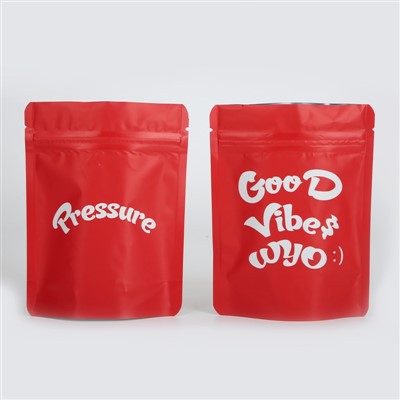
Let’s start with the basics. A stand-up coffee bag (often shortened to SUP bag, though that term sometimes confuses people with single-use plastic, which is a whole separate conversation) is a flexible packaging format designed to hold its shape upright on store shelves, countertops, or even your kitchen pantry shelf, all without relying on a rigid box or canister. At its core, it’s a hybrid: it combines the lightweight, cost-effective flexibility of a plastic or foil pouch with structural features that let it stand on its own, something traditional flat pouches or even basic plastic bags can’t do. For coffee, that matters because shelf presence is huge. When a customer is standing in a store, staring at a wall of coffee bags stacked or lined up, a bag that stands tall, with its design and bean details facing forward, is way more likely to catch their eye than a flat, limp pouch that crumples if you set it down. That’s why so many roasters, even the small, family-owned ones, have switched to stand-up bags over the last 15 years or so—they work for retail, which is where most specialty coffee is sold these days.
But here’s where it gets specific to coffee, because stand-up bags aren’t one-size-fits-all. Unlike a stand-up bag for snacks or pet food, a coffee stand-up bag has to solve a very unique problem: coffee is a breathing product. Wait, let’s explain that. When coffee beans are roasted, they undergo a chemical reaction that produces carbon dioxide. For the first 7 to 10 days after roasting, beans release that gas nonstop. If you seal coffee in an airtight bag right after roasting, that gas can build up, cause the bag to puff up, even burst, or worse, make the coffee go stale faster because it’s trapped with all that excess gas. That’s why most stand-up coffee bags come with a one-way degassing valve, right there on the bottom or the side of the bag. The valve lets carbon dioxide escape from the inside of the bag, keeping the bag from exploding, but it won’t let air, moisture, or odors get back in. That’s a game-changer for coffee freshness. Without that valve, coffee would go stale in days, not weeks or months, because oxygen would seep in and react with the roasted oils in the beans, making them taste flat, bitter, or even rancid.
Let’s talk about the construction too, because not all stand-up bags are made the same. A basic stand-up bag for chips might be a thin, single layer of plastic, but coffee needs a multi-layer structure to protect it. Most quality stand-up coffee bags are made with 3 to 5 layers, each serving a purpose. The inner layer, which touches the coffee, is usually food-grade plastic, like polyethylene, that keeps moisture out. The middle layer is almost always aluminum foil or a high-barrier plastic like EVOH (ethylene vinyl alcohol) — that’s the light, silver or sometimes gold layer you see on premium coffee bags, because it blocks light and oxygen, the two biggest enemies of fresh coffee. The outer layer is what you see: it’s printable, so roasters can add their logo, roast details, origin notes, brew tips, all the stuff that makes a bag stand out. Some roasters even use compostable layers now, which is a big part of what we work on as a packaging supplier—more and more coffee buyers care about sustainability, so we help roasters choose stand-up bags that are either recyclable or compostable, without sacrificing the freshness protection their beans need.
Wait, let’s bust a common myth here: people often think stand-up bags are worse for coffee than rigid containers like tins, but that’s not true anymore. When built right, a stand-up coffee bag actually outperforms a lot of tins for freshness. Tins, even with seals, can let tiny amounts of oxygen seep in over time, especially if the seal gets nicked when you’re opening it. A well-made stand-up bag with a high-barrier layer and a proper degassing valve will keep coffee fresh for 3 to 6 months after roasting, which is exactly the window specialty coffee tastes best in. Plus, stand-up bags are lighter than tins, which lowers shipping costs for roasters—something a lot of small operations can’t overlook when they’re just starting out. For consumers, they’re easier to store too: you can fold the top (which usually has a zip-lock seal, so you can reclose it after opening, another key feature) and tuck it into a pantry, or hang it on a hook if your kitchen has that, without taking up extra space like a tin.
Now, how did stand-up coffee bags become the standard? Let’s go back a couple decades. Back in the 1990s and early 2000s, most specialty coffee was sold in vacuum-sealed flat pouches. No valve, no stand-up design. The problem? Roasters had to let coffee “rest” for a few days after roasting to let out most of the carbon dioxide before sealing, which meant they had to take orders for coffee before it was roasted, or risk bags bursting in storage. That extra step added time and cost, and for roasters, it also meant they couldn’t sell coffee super fresh, which is what customers today crave. Then, in the mid-2000s, that one-way degassing valve technology got cheaper and easier to integrate into flexible packaging, and stand-up designs started catching on. Suddenly, roasters could bag coffee the day after roasting, no rest period needed, because the valve let the gas escape without letting air in. That’s when stand-up bags really blew up in the coffee world.
As a packaging supplier, I’ve seen this evolution firsthand. I remember when we first started talking to micro-roasters about stand-up bags—they were skeptical. A lot of small roasters thought the bags would be too expensive, or too hard to work with, or that their customers wouldn’t notice a difference. But over the years, as more customers started choosing coffee bags that looked nice on shelves, and as roasters realized their coffee tasted better longer in stand-up bags, the demand exploded. Now, we work with roasters of all sizes, from people roasting 10 pounds a week out of a garage to operations that send coffee across North America, and almost all of them use stand-up bags.
But there are still a lot of questions roasters (and customers) have about stand-up coffee bags, so let’s address a few of the most common ones. First, what’s the difference between a stand-up coffee bag and a regular stand-up snack bag? Snack bags usually don’t have a degassing valve, because snacks don’t produce gas after packaging. They also don’t have the high-barrier layers needed for coffee, which is why a chip bag would let coffee go stale in a week. Second, what about the zip-lock seal? That’s a key feature, right? Once you open a bag, you don’t want all the coffee to go stale if you don’t use it in one go. The zip-lock, usually on a resealable top, keeps air out after opening, so your coffee stays fresh for 2 to 3 weeks after you first open the bag, which is perfect for most home coffee drinkers. Third, sustainability—this is the big one now. A lot of people are worried about plastic packaging, so we work with a lot of roasters to find stand-up bags that are recyclable, or even compostable, without losing the freshness protection. A lot of people think compostable stand-up bags don’t work, but we’ve tested dozens of them, and for most roasters, they work just as well as traditional foil layers, especially if the roaster is selling coffee within 6 months of roasting.
Another thing a lot of people don’t talk about: the resealable top. That’s one of the best parts of stand-up coffee bags, especially for home users. If you buy a tin, you have to pry the lid open, and if you don’t use all the coffee in one go, you have to transfer it to an airtight container. With a stand-up bag, you just zip it back up, no extra work. It’s small details like that that make a big difference for how people use their coffee every day.
Let’s also talk about what goes into making a good stand-up coffee bag for a roaster. It’s not just about the design—it’s about the functionality. For example, the gusset, the part of the bag that makes it stand up, needs to be strong enough to hold the weight of the coffee, which can be 8 ounces, 12 ounces, or even a pound. If the gusset is weak, the bag will fold over, fall over on the shelf, and look messy, which is bad for a roaster’s brand. The degassing valve needs to be placed correctly—usually on the bottom of the bag, so it doesn’t take up space on the front where the roaster’s logo is, but still lets gas escape. The print on the bag needs to be durable, so if a customer spills a little coffee on it, the ink doesn’t run, and details like origin, roast level, and brew tips stay clear.
We also help roasters test their stand-up bags before they go to market. For example, we’ll test how well the valve works with a new roast, make sure the bag doesn’t burst during shipping, and check that the high-barrier layer is actually blocking enough oxygen to keep the coffee fresh. A lot of roasters don’t have the equipment to test that themselves, so that’s a big part of what we do as a supplier—we’re not just selling bags, we’re helping roasters make sure their coffee gets to customers as fresh as it can be.
Wait, let’s circle back to why this matters for you, the coffee drinker. The next time you pick up a bag of coffee from a store, take a second to look at it. Is it a stand-up bag? Does it have a little valve on the bottom? That’s not just a design choice—it’s a sign that the roaster cares about freshness. A lot of mass-produced coffee uses flat pouches or tins that let more air in, because they’re cheaper, but that means the coffee might be roasted months before it reaches you. Stand-up coffee bags, when made right, mean the coffee you’re drinking is closer to its roast date, so it tastes brighter, more complex, more like the origin it came from, instead of flat and stale.
I’ve been in this business for over a decade, and one thing I’ve learned is that good coffee isn’t just about the beans—it’s about every step between the roaster and your mug. The bag is one of the most important steps, because if the packaging doesn’t protect the beans, even the best roast will taste bad. Stand-up coffee bags have come a long way from the basic, thin bags we saw in the early 2000s—now they’re durable, sustainable, and designed to keep coffee fresher longer, while also looking great on shelves and in your kitchen.
If you’re a roaster who’s looking to switch to stand-up coffee bags, or if you’re just curious about what makes a good bag for your coffee, we’re here to help. We work with roasters of all sizes, from garage micro-roasters to large-scale operations, to customize stand-up bags that fit their needs, whether that’s recyclable materials, specific print designs, or perfect valve placement for their roast schedule. We know that packaging is a big investment, so we make sure every bag we sell is tested for freshness, durability, and sustainability, so your coffee gets to customers exactly the way it should.
If you’re a coffee drinker, the next time you grab a bag, take a quick look for that little valve—that’s your hint that the roaster is prioritizing freshness, which means you’re in for a better cup. And if you ever have questions about coffee packaging, feel free to reach out—we’re always happy to talk about what makes a good stand-up coffee bag, and how it helps keep your favorite brews tasting their best.
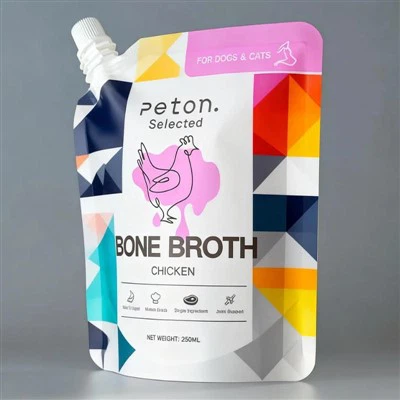
If you’re a roaster ready to explore custom stand-up coffee bags tailored to your brand and needs, we’re here to help.
Vacuum Bag References:
- Specialty Coffee Association. (2021). "Packaging Guidelines for Specialty Coffee Roasters." Journal of Coffee Packaging and Preservation.
- European Flexible Packaging Association. (2022). "Stand-Up Pouches: Functionality and Sustainability in Food Packaging."
- International Coffee Organization. (2020). "Carbon Dioxide Emission from Roasted Coffee Beans and Packaging Solutions."
- Consumer Reports. (2023). "Coffee Packaging: Which Types Keep Beans Fresh Longest?"
- Sustainable Packaging Coalition. (2022). "Compostable Flexible Packaging for Food Products: Performance Standards for Coffee."
Shenzhen Hongbang Packaging Production Co., Ltd.
We are one of the most experienced coffee bag manufacturers and suppliers in China, specialized in providing high quality custom service. Please feel free to buy bulk coffee bag made in China here from our factory. For quotation and free sample, contact us now.
Address: Room 601, BLDG D, Wisdom Centre, No. 58 Nanlian Road, Longgang, Shenzhen China 518116
E-mail: pm@hongbangpack.com
WebSite: https://www.hongbangpack.com/
