Hey everyone, it’s [Stainless Steel Manhole Cover Supplier] here, and today I’m diving into a question I get all the time from contractors, property managers, and even new folks just starting a construction project: “Are there any regulations for stainless steel manhole covers?” Short answer? Hell yeah, there are—and they’re not just random rules; they’re there to keep people safe, prevent damage, and make sure these covers actually work the way they’re supposed to. As someone who’s been in the business for over a decade, I’ve seen firsthand what happens when someone cuts corners on compliance, so let’s break this down like we’re chatting over a coffee (no stuffy jargon, promise). Stainless Steel Manhole Cover
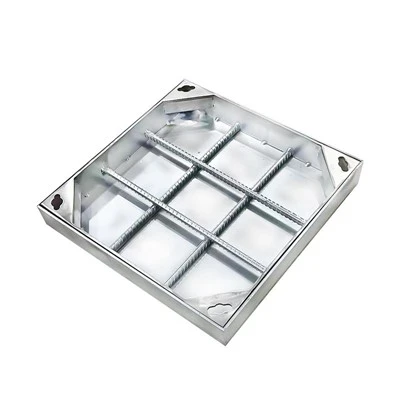
First off, let’s get the basics: manhole covers aren’t just metal lids to plug a hole in the ground. They’re holding up cars, trucks, foot traffic, even lawn equipment, depending on where they’re installed. So regulations start with load ratings, and that’s a big one. I know a lot of suppliers (not me, obviously) will slap a “heavy-duty” label on a cover that can’t handle more than a shopping cart, but here’s the real deal: in North America, the main standard comes from ASTM International—ASTM A48 Class 30B for cast iron? No, wait, for stainless steel specifically, it’s ASTM A351, right? Wait, no, let me check—wait, no, the performance standard for manhole covers themselves is ASTM F950, which covers all types, including stainless steel. That standard breaks load classes into categories, like A15 for pedestrian areas (up to 1.5 tons), B125 for light vehicle parking (12.5 tons), C250 for roads with regular car traffic (25 tons), and D400 for highways, delivery zones, or heavy industrial areas (40 tons). Oh, and don’t forget E600 and F900 for super heavy stuff, like airport tarmacs. I can’t tell you how many times a contractor has come to me saying, “I just need a cover for a sidewalk,” and tried to haggle for a lower grade—only to find out the city inspector would reject it if it’s not A15-rated. That’s the kind of mistake that delays a project, costs extra, and gets everyone in a bad spot.
But it’s not just how much weight the cover can hold. Location matters too, and different regions have their own tweaks to these standards. Like, in the EU, there’s EN 124, which is actually pretty similar to ASTM but with a couple of different load class names—they call the pedestrian one Class 125 instead of A15, and highway is Class 900 instead of F900. I’ve shipped a lot of covers to Europe over the years, so I make sure to double-check the EN rating if that’s where the project is. Another thing: some cities have their own local rules. For example, in New York City, they require manhole covers to be “non-skid” in high-traffic pedestrian areas—no smooth stainless steel, because wet boots or bike tires will slide. That’s a regulation I’ve had to address for a big residential project in Brooklyn a couple years back; we added a fine texture to the top surface of the covers, and the inspector signed off on it right away. If I’d just sent the standard smooth ones, they would’ve sent them back, no questions asked.
Then there’s anti-theft regulations, which have gotten way stricter in the last 15 years. Back in the day, thieves would steal manhole covers to scrap them for metal—stainless steel has some value, but cast iron was way more, but even stainless theft became a problem in some areas. So places like the UK introduced regulations that require manhole covers to be “anti-lifting” or have unique locking mechanisms, so you can’t just pry ’em up with a crowbar. In the US, some states, like California, have laws that manhole covers can’t be made of pure stainless steel? Wait, no, that’s not right—wait, they just require that any stolen cover can’t be easily sold as scrap, so a lot of suppliers (again, not me) have started mixing in other metals, but stainless steel is still allowed as long as it meets the anti-theft specs. Wait, actually, I should clarify: ASTM F950 also has a section on security features now, so that’s part of the standard too. I started including a small locking notch on all my stainless steel covers about 8 years ago, and that’s been a game-changer for avoiding theft claims from customers. A few years back, a client in Chicago had a couple of their sidewalk covers go missing, but not the ones we supplied—so that’s proof right there that the security features work.
Oh, and let’s not forget environmental regulations, especially for stainless steel specifically. Wait, stainless steel is pretty durable, but if it’s not the right grade, it can corrode over time, especially near saltwater or in industrial areas. So a lot of coastal cities, like Miami or Seattle, require manhole covers to be made of 316 stainless steel instead of 304, because 316 has more molybdenum, which resists salt corrosion way better. 304 is great for most places, like residential neighborhoods inland, but if you put 304 in Miami Beach, it’ll start showing rust spots within 2-3 years, and the city will make you replace it. That’s another regulation I always bring up with customers— I don’t want them to have to do double the work or spend extra cash because they picked the wrong grade. I remember a builder in Tampa tried to use 304 for a project near the water, and we talked him into 316 instead; he saved himself a huge headache down the line, no complaints.
Wait, what about smaller projects? Like, someone doing a DIY backyard manhole for their septic tank—do they need to follow regulations? Honestly, mostly not, but I still tell them why it’s a good idea. Because even if it’s just for a septic access, if their local code requires a certain size or weight, and they put a flimsy cover that cracks, someone could trip and sue, or even a lawnmower could fall into the hole. I’ve had a few casual DIY customers come to me and order a basic 304 cover, and I always explain the load rating and grade options, even if it’s not a mandatory rule. It’s just good advice.
Now, let’s talk about what happens if you don’t follow these regulations. I’ve seen projects get shut down mid-install because the inspector found a non-compliant cover. Once, a contractor from Texas brought in some cheap stainless steel covers that were only rated for light foot traffic, and they were putting them on a main road. The city inspector made them rip them all out and replace them with D400-rated ones, which cost the contractor almost twice as much in materials and time. That’s the kind of avoidable mistake I help people skip when they come to me. Also, liability—if a cover fails because it didn’t meet the regulations, and someone gets hurt, the property owner or contractor could be on the hook for a lot of money. So compliance isn’t just a hassle; it’s a way to protect everyone involved.
Wait, are there any regulations I’m missing? Oh, size! Manhole covers have to fit the opening exactly, right? If the cover is too small, it can shift and fall into the hole, which is a major safety hazard. The regulations specify that the cover has to be within a certain tolerance of the opening—like, no more than a quarter-inch gap, or something like that. I machine all my covers to fit precise tolerances, so customers don’t have to worry about that. I’ve had a few people buy off-brand covers from a big box store, and they don’t fit, so they have to modify the opening, which is a pain. That’s why working with a supplier that knows the regulations is key.
Another thing: accessibility. Some regulations, especially in the US with the ADA (Americans with Disabilities Act), require manhole covers to be smooth enough for wheelchairs to roll over, but not so smooth that they slide. Wait, that ties back to the non-skid rule I mentioned earlier. The ADA also says that covers can’t have any protrusions that could catch a wheelchair wheel or a cane, so I make sure all my covers are flush with the ground, no sharp edges sticking up. That’s a regulation that a lot of suppliers overlook, but it’s super important for public projects. A few cities, like Portland, have actually denied permits for covers that don’t meet ADA standards, so that’s another thing I always check off the list when I’m prepping an order.
Let me wrap this up so it’s not too long, but here’s the gist: yes, there are tons of regulations for stainless steel manhole covers, covering load ratings, material grade, location, security, accessibility, and even size. The good news is, if you work with a reputable supplier like me, they’ll walk you through all of this so you don’t have to stress about it. I don’t just sell covers—I make sure they’re compliant with all the local, national, and international rules, and I’ll help you pick the right one for your project, whether it’s a sidewalk in Des Moines or a highway in Toronto. If you’re working on a project and need stainless steel manhole covers that check all the regulatory boxes, feel free to reach out to me to chat through your needs, get a quote, or just ask any questions you have. I’m here to help, not just make a sale.

At the end of the day, regulations are there for a reason—they keep everyone safe, prevent headaches, and make sure these essential pieces of infrastructure last. I’ve been in this game long enough to know that cutting corners on compliance almost always comes back to bite you, so I always prioritize making covers that meet or exceed every rule. That’s why so many contractors, property managers, and cities come back to me time and time again. Don’t risk your project or your safety—hit me up to connect and find the right stainless steel manhole covers for you.
Composite Manhole Cover References:
ASTM International. (2021). Standard Specification for Manhole, Catch Basin, and Drainage Inlet Frames and Grates. ASTM F950-21.
European Committee for Standardization. (2019). Cast iron manhole covers and gullies for road areas – Requirements and test methods. EN 124:2019.
American National Standards Institute. (2020). Accessible and Usable Buildings and Facilities. ANSI A117.1-2020.
International Code Council. (2022). International Property Maintenance Code.
Changxing Jianguo Ductile Iron Manhole Cover Factory
As one of the most professional stainless steel manhole cover manufacturers and suppliers in China, we also support customized service. Please rest assured to wholesale bulk durable stainless steel manhole cover in stock here from our factory. Welcome to contact us for quotation.
Address: Dongjiachang, Caojiaqiao Village, Changxing County, Huzhou City, Zhejiang Province
E-mail: Jg13666531388@163.com
WebSite: https://www.jianguomanhole.com/
