When I first started my fireproof board supply business, a common question kept popping up: “Are these boards even worth the hassle for commercial buildings?” It’s totally fair to ask—commercial spaces have way different needs than residential ones. Think about it: a coffee shop that’s open 12 hours a day, a 10-story office building with 500 employees, a retail mall with hundreds of people walking through. One fire mishap, and the stakes are way higher than a kitchen grease fire in a single-family home. Over the past 7 years of working directly with contractors, building managers, and even small business owners, I’ve seen both sides of this debate. Let’s break this down like we’re chatting over a coffee, no stuffy industry jargon. Fireproof Board Series
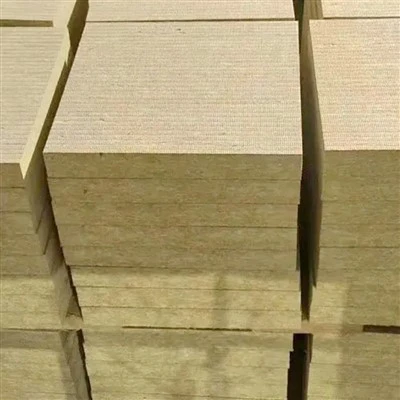
First, let’s get one thing straight: fireproof boards aren’t just “residential stuff” anymore. Commercial buildings have strict fire codes, right? I’ve had guys show up to a job site with cheap, flimsy boards that didn’t even pass the 15-minute fire resistance test—they got sent right back. For commercial spaces, the requirement isn’t just “doesn’t burn fast”—it’s about containing a fire long enough for everyone to evacuate and for firefighters to get in. That’s where our series stands out. But wait, I know what some of you might be thinking: “I’ve heard horror stories about fireproof boards being too heavy, too expensive, or a pain to install.” Let’s address those head-on.
Take a recent gig I did with a small retail mall in downtown Austin. The manager there was dead set against fireproof boards because he’d dealt with a faulty installation years ago—delays that cost him $20k in lost sales. I sat down with him, walked through our series’ lightweight options, and explained how we handle installation. Unlike old-school fire boards that need specialized crews, our current lineup has pre-cut panels that any skilled carpenter can put up. The project finished 2 days ahead of schedule, and he saved another $1,500 on labor costs because we didn’t require extra workers. That’s not a sales pitch—that’s what actually happens when you pick the right product for the job.
Another big point: commercial buildings have all kinds of hidden fire risks. Server rooms in offices generate a ton of heat, right? Restaurants have grease hoods that are basically ticking time bombs. Even hallways and stairwells, which are supposed to be fire escapes, can become death traps if they catch fire. Our fireproof board series is designed to cover all these gaps. For server rooms, we have high-heat resistant boards that won’t warp or release toxic fumes when temperatures spike. For restaurant grease areas, our water-resistant fire boards work double duty—they repel moisture from cleaning products and stop flames from spreading. I’ve seen a few near-misses where these boards did exactly what they’re supposed to: last week, a small fire broke out in a coffee shop’s wiring behind a wall lined with our boards. The fire was contained to a 2-foot section, no one got hurt, and the shop was back open in 3 days. Without those boards? Who knows how bad it could’ve been.
Now, let’s talk about the elephant in the room: cost. I get it, commercial budgets are tight. A lot of building managers look at fireproof boards and think, “That’s way more than drywall.” But here’s the math most people miss. If a fire breaks out in your space, the cost isn’t just repairing the walls—it’s lost revenue, lawsuits, maybe even shutting down permanently. A buddy of mine owns a 5-story office building in Chicago that skipped fireproof boards in its elevator shafts. A faulty wire sparked a fire there a few years back. The damage? $1.2 million in repairs, plus 6 months of lost rent while they fixed it. If he’d gone with our series, that would’ve cost him around $80,000 total. That’s a no-brainer, right? Also, our series lasts 25+ years with zero maintenance. Drywall, on the other hand, might need patching or repainting every 5 years—add that up over time, and fireproof boards end up being cheaper in the long run.
Wait, but are there cases where fireproof boards aren’t a good fit? Yeah, sure. If you’re building a tiny 500 sq ft pop-up shop that’s only going to be open for 3 months, maybe not. But for any commercial space that’s going to be around for 5 years or more, or has more than 10 people inside at a time? Absolutely. I’ve also run into contractors who tried to cut corners by using residential-grade fire boards in a commercial kitchen. Big mistake. Residential boards aren’t tested for the high heat and moisture levels in commercial spaces—they’ll start to break down in 2-3 years. Our commercial line is tested specifically for those conditions, so you don’t have to replace them early.
Another thing people don’t talk enough about: safety for occupants. Commercial buildings are full of people who might not know their way around—tourists in a mall, employees who are new, kids in a school. Fireproof boards don’t just stop flames—they also release way less toxic smoke when they do heat up. That’s a huge deal. Smoke inhalation is the number one cause of death in fires, way more than the flames themselves. Our series is certified to low-smoke emissions, which means if something does go wrong, people have a better chance of making it out safely. I had a school administrator tell me recently that after they installed our boards in their hallways, parents asked way fewer questions about fire safety. It’s not just a code thing—it’s a peace of mind thing.
Let’s also address installation struggles, because I know that’s a big one. A lot of suppliers act like installation is someone else’s problem, but not me. For every big commercial job we do, we send a free on-site guide to help the contractor figure out the best way to mount the boards, whether it’s on walls, ceilings, or behind appliances. Last month, a general contractor in Dallas hit a snag when he had to install boards around a HVAC unit in a warehouse. I hopped on a call with him at 7 PM, walked him through a simple cut that would fit perfectly, and he had it done in 20 minutes. That’s the kind of support you don’t get with cheap, no-name fire boards. We’re not just selling a product—we’re sticking around to make sure it works for you.
I’ve also had people ask about sustainability, which is huge for commercial buildings these days. A lot of businesses want to reduce their carbon footprint, and fireproof boards used to be made with weird, non-recyclable materials. Our series? Most of the panels are made with 30% recycled materials, and they’re 100% recyclable at the end of their life. We also don’t use any harmful chemicals in the production process, so when they’re installed, there’s no weird off-gassing that makes employees or customers sick. A startup in Brooklyn told me they chose our boards specifically because of that—their employees work in the office every day, and they didn’t want any toxic fumes lingering. That’s another check mark for commercial spaces.
Now, let’s wrap this up. Are our fireproof board series suitable for commercial buildings? For 9 times out of 10, absolutely. It’s not just about meeting code—it’s about protecting your people, your business, and your bottom line. I’ve seen too many businesses lose everything because they cut corners on fire safety. The good news is, you don’t have to choose between safety, cost, and ease of installation. Our series checks all those boxes.
If you’re a building manager, contractor, or business owner thinking about upgrading your space’s fire safety, let’s chat. I can send you a free sample of the panels you’re interested in, answer any questions you have about installation, cost, or code requirements, and even put you in touch with other local guys who’ve used our products. No sales pitches, no pressure—just straight talk about what works for commercial spaces. Don’t wait until it’s too late to protect what matters most.
Fireproof Board References
- National Fire Protection Association (NFPA). NFPA 70: National Electrical Code.
- International Code Council (ICC). International Building Code (IBC) Chapter 7: Fire and Smoke Protection Features.
- Fire Testing Information Council (FTIC). Fire Resistance Ratings for Building Materials, 2022.
- U.S. Small Business Administration (SBA). Small Business Disaster Preparedness: Fire Safety Guidelines, 2023.
- Environmental Protection Agency (EPA). Sustainable Building Materials Guide for Commercial Construction, 2021.
Langfang Aolesi Thermal Insulation Materials Co., Ltd.
As one of the most professional fireproof board manufacturers and suppliers in China, we also support customized service. Please feel free to buy bulk high quality fireproof board made in China here from our factory. For pricelist, contact us now.
Address: Dongwang Village, Dacheng County, Langfang City, Hebei Province
E-mail: Lfaolesibaowen@outlook.com
WebSite: https://www.lfaolesi.com/
