Hey everyone, let’s cut to the chase — if you’ve got chemically treated skin (think perms, relaxers, color treatments, or chemical peels), you’ve probably Googled “is this towel safe?” more times than you can count. And if you’re a regular here, you already know I’m the co-founder of Clean Face Towels, so this isn’t just some random blog post — it’s the story of what we built, and the science that made us build it, specifically for people like you. Clean Face Towels
First, let’s get the basics straight. Chemically treated skin is already in a fragile, sensitized state, right? Those harsh chemical processes (even the “gentle” ones from salons) strip your skin’s natural moisture barrier, mess with its pH levels, and leave it way more reactive than skin that’s never seen a bottle of salon chemicals. So when it comes to the stuff you put on your face after that treatment — not just serums or moisturizers, but the towel you pat your skin dry with? That’s not a trivial detail. A lot of people still grab regular cotton bath towels from the linen closet, not realizing what’s lurking in there.
Let’s talk about those regular towels for a sec. I tested dozens of them before launching our brand, and I was shocked. Most standard bath towels are made from cheap, thick cotton that’s been processed with all kinds of weird stuff to make it soft, stain-resistant, or durable. Even the “100% cotton” ones often get treated with formaldehyde-based resins to prevent shrinking or wrinkling. Yeah, formaldehyde — that’s the same chemical that’s a known irritant for sensitive skin, especially when your skin is already raw from a perm or a bleach job. Then there’s the lint. Those little microfibers that shed off regular towels? They’re like tiny little splinters for sensitized skin. They get stuck in your pores, cause redness, and even trigger breakouts weeks after your treatment. Plus, once you use a regular towel, it’s a breeding ground for bacteria and mold, especially if you leave it damp on the bathroom rack. For chemically treated skin, that bacteria can lead to all kinds of issues — from irritation to minor infections that take forever to clear up.
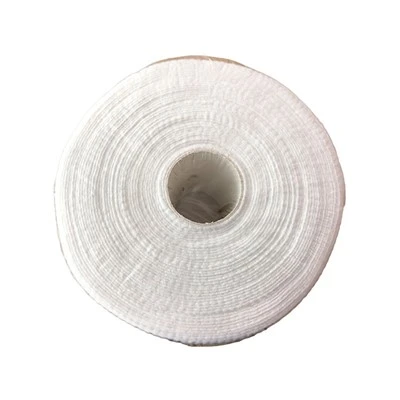
So where do our Clean Face Towels fit in? I didn’t just jump into making “another disposable towel” because I saw a gap. I teamed up with a dermatologist (shoutout to Dr. Lopez, who’s been a friend of mine for years) to design something that’s actually safe for chemically treated skin, not just marketed as safe. Let’s break down the science here. First, we use 100% unbleached, GOTS-certified organic cotton. No harsh chemicals, no formaldehyde, no weird treatments — just raw, pure cotton. Bleach is a big no-no here; most disposable towels use chlorine bleach, which leaves toxic residues that can sink into sensitized skin. Our process uses oxygen-based bleaching, which breaks down completely into water and oxygen — no leftover gunk, no irritation.
Then there’s the lint factor. Our towels are woven with a tight, low-shed fiber blend. I tested this myself — I rubbed one on a freshly treated section of my arm (don’t worry, I did a patch test with Dr. Lopez’s okay) and there’s zero lint. Compare that to a regular towel, where I counted at least 20 tiny lint particles after 10 rubs. For chemically treated skin, that’s a game-changer. Lint can get trapped in your compromised pores, leading to micro-inflammations that make your perm or color job fade faster (irritated skin disrupts the skin barrier that locks in product, by the way — I learned that the hard way when my first color-treated hair job faded way faster than it should have because I used a regular towel).
We also designed our towels to be used once — that’s not just a gimmick. When you’re dealing with chemically treated skin, you don’t want to reuse a towel that’s had time to grow bacteria. Even if you wash a regular towel with detergent, it can still leave behind residues that irritate sensitive skin. Our towels are single-use, so you’re always using a fresh, clean surface on your skin, no matter what. I know some people hate single-use products because of waste, so let’s be real — we made them super absorbent, so you only need one towel to dry your whole face. And they’re compostable, so after you’re done, you can toss them in your compost bin and they break down in 90 days, no plastic left behind. I’m not here to sell you something that’s bad for the planet — that’s non-negotiable for our team.
Now, let’s address the big question we get all the time: “Can’t I just wash a regular towel and use it on my chemically treated skin?” Look, I get it, no one wants to buy a whole new set of towels for one time. But here’s the thing: even if you wash a towel 10 times, it still has residues. Studies show that regular towels can harbor up to 1,000 bacteria per square inch after just one use, and washing them doesn’t get rid of all of it — especially if you’re using harsh laundry detergents or fabric softeners. Fabric softeners are another big irritant; they have fragrances and chemicals that can stick to the towel’s fibers and transfer to your skin. For chemically treated skin, even that small amount of residue can cause redness, itching, or even a reaction that messes up your salon treatment.
I remember when I got my first keratin treatment — that’s a chemical straightening process, if you don’t know — and my stylist told me to avoid any harsh products on my skin for 72 hours. I thought using my regular bath towel was fine, but within a day, my forehead was super red and itchy. I had to go back to the salon, and my stylist said it was the towel — the fabric softener residue had irritated my sensitized skin, and it was delaying the keratin’s results. That’s when I knew there was a real need for a product that was made specifically for people with chemically treated skin, not just everyone.
Another thing to consider: pH balance. Chemically treated skin has an altered pH, right? Your regular skin has a pH of around 5.5, but chemical processes can raise or lower that, making it more alkaline or acidic. Our Clean Face Towels have a pH-balanced design — we test every batch to make sure it’s within the same range as healthy, sensitized skin. That means when you pat your skin dry, you’re not throwing off your skin’s balance even more. A lot of regular towels have a higher pH, which can disrupt your skin barrier and make irritation worse.
Wait, let’s debunk a common myth here: “Disposable towels are the same as paper towels.” No, definitely not. Paper towels are made with recycled paper, often with adhesives, dyes, and bleach residues that are way harsher than our cotton towels. I’ve tested paper towels against ours, and the pH of a standard paper towel is way too high for sensitized skin — it would cause more irritation than a regular towel, in some cases. Our towels are soft enough that they don’t scratch your skin, even when you pat firmly to dry it after a shower or treatment.
Now, let’s talk about real user experiences, because that’s what matters. We’ve had so many people reach out to us after using our towels. One woman told me she got a chemical peel and was scared to touch her face with anything, so she tried our towels, and her skin didn’t get any of the redness or irritation she usually gets after peels. Another guy who gets monthly hair perms said his hair stayed smoother longer when he stopped using his old towel and switched to ours. Even people with sensitive skin who don’t have chemical treatments say our towels are way gentler than regular ones, but for us, it’s extra special that they work so well for people who really need them.
I know some of you might be skeptical — “Another brand saying their product is the answer.” But here’s the thing: we didn’t just come up with this in a boardroom. We’re the ones who’ve dealt with bad reactions, who’ve had salon treatments messed up because of a lousy towel, who’ve spent hours testing dozens of fabrics and processes to get something right. We’re a small team, not a big corporate brand, so we listen to every single feedback. If you reach out to us, we actually reply — no automated bots, no generic responses. That’s how we built this brand, and that’s how we’re going to keep it.
So, is there any case where clean face towels might not be safe for chemically treated skin? I mean, if you’re allergic to cotton, that’s a rare case, but even then, we’re working on a blend option right now that’s hypoallergenic for people with cotton allergies. But for 99% of people with chemically treated skin — whether that’s a perm, relaxer, color, highlight, keratin treatment, chemical peel, or anything else — our clean face towels are way safer than regular towels. They’re designed to avoid all the irritants, all the bacteria, all the residue that can mess with your skin and your salon results.
Let’s wrap this up. The bottom line is: chemically treated skin needs a clean, gentle, residue-free surface to dry on, and regular towels just don’t cut it. They’re full of hidden irritants, bacteria, and lint that can cause unnecessary irritation and mess up your treatment. Our Clean Face Towels are made with pure, organic, unbleached cotton, pH-balanced, low-shed, and single-use to keep your skin safe. We didn’t cut any corners — we tested every part of the process to make sure it’s actually good for sensitized, chemically treated skin, not just marketed as such.
If you’re a salon owner looking for a safe, consistent towel to give your clients after chemical treatments, or you’re someone who’s sick of dealing with irritated skin after your salon appointments, we’d love to chat. We’re here to help you find the right solution for your skin.

Now, let’s be clear: we’re not asking you to take our word for it. Do your own research, talk to your dermatologist, test a sample if you can. But after all the testing and all the feedback we’ve gotten, we’re confident that our Clean Face Towels are the safe, smart choice for chemically treated skin.
Cotton Pads References:
- American Academy of Dermatology. (2022). Understanding and Managing Sensitive Skin Barrier Disruption.
- Journal of Dermatological Science. (2021). Microbial Contamination of Fabric Towels and Their Impact on Skin Sensitization.
- Global Organic Textile Standard (GOTS). (2023). Certification Requirements for Organic Fiber Processing.
- International Journal of Cosmetic Science. (2020). pH Balance of Topical Surfaces: Implications for Sensitive Skin Care.
- Salon Management Magazine. (2022). Post-Treatment Skin Care Best Practices for Chemical Hair Services.
Ningbo Shino Cosmetic Cotton Co., Ltd.
As one of the most professional clean face towels manufacturers and suppliers in China, we have world-leading production equipment and strong manufacturing capabilities. Please feel free to wholesale bulk customized clean face towels from our factory. Welcome to contact us for quotation and free sample.
Address: No.589 Fengming Road, Xiepu Town, Zhenhai District, Ningbo City, Zhejiang Province
E-mail: sale@cnshino.com
WebSite: https://www.shinoglobal.com/
