Hey there – if you’ve ever kicked off your car door, ran your fingers along the door panel, center console, or steering wheel, and stopped to notice that sleek, metallic finish that doesn’t scuff easily or clash with the rest of the interior, there’s a good chance you’re touching aluminum interior trim. As someone who’s been in the car interior trim game for years – you know, the kind that works directly with automakers to tweak every small detail that makes a car feel like yours, not just another appliance on wheels – I get that a lot of folks (even some of the new designers I work with) mix up aluminum trim with those cheap plastic metallic overlays you see in budget cars. So let’s break this down straight, no stuffy jargon, and why it’s become such a big deal for both drivers and the brands I partner with. Car Interior Trim
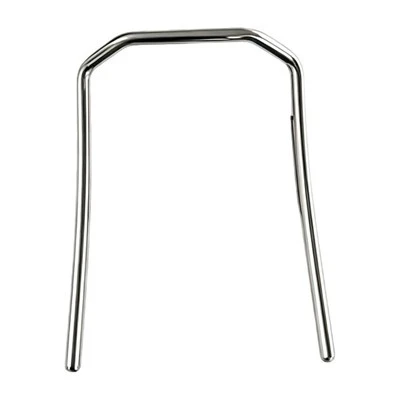
First off, let’s get the basics right: aluminum interior trim is literally thin sheets of aluminum metal that get precision-cut, shaped, and coated to fit exactly into a car’s interior spots where plastic, wood, or other materials used to be. It’s not just the shiny stuff on the door handles or the trim around the infotainment screen – though that’s the most visible part. We’re talking about everything from the tiny accent strip along the center console to the trim that frames the air vents, even the little pieces that hold the steering wheel controls in place. Here’s the thing that makes it different from that fake metal plastic: real aluminum doesn’t feel plasticky or cheap. Run your finger along a well-made aluminum trim piece – it’s solid, has a subtle weight to it, and that finish? It doesn’t fade or get that chalky look after a year of sunlight, unlike the metalized plastic that peels or scuffs if you so much as grab your keys next to it.
Now, I know what you’re thinking: why aluminum? Why not just stick with what’s worked for decades? Let’s talk science here, but keep it simple. Aluminum is lightweight – way lighter than steel, obviously, and even lighter than solid wood or heavy plastic. For cars, weight matters because every extra pound adds up to worse gas mileage (or shorter EV range, which is huge right now) and slower acceleration. That’s a big sell for electric vehicle brands I work with; they’re always hunting for small ways to cut curb weight without skimping on premium feels. Then there’s its durability. We coat our aluminum trim in a specific clear layer (more on that in a sec) that resists scratches, stains, and UV rays. Spill a coffee on the center console? Wipe it right off with a paper towel, no mark left. Kids spill juice on the door trim? Same thing. Wood trim? Spills seep into the grain, and if you scratch it, you have to sand and refinish it – which is a nightmare for automakers when they’re building 100,000 cars a month. Plastic? Scratches show up instantly, and cheap plastic gets that dull, gray look after a few years of being in the sun through a window.
Wait, but there’s a catch – raw aluminum, on its own, is soft. If you take a plain sheet of aluminum, run your key across it, you’ll leave a dent or a scratch. So we don’t just use bare aluminum. We process it in a couple of ways depending on what the customer wants. First, there’s brushed aluminum, which is the most common – that subtle linear texture you see, like fine lines running across the trim. It’s not super shiny, so it doesn’t show fingerprints as much as a highly polished piece. Then there’s anodized aluminum, which is where we treat the surface with an electrochemical process that makes the aluminum’s oxide layer thicker. That’s not just for color – anodized trim is way more scratch-resistant, and we can dye it different colors if a brand wants something besides silver. Black anodized aluminum is huge right now; it looks sleek, modern, and doesn’t glare off the infotainment screen during the day. We also do polished aluminum, which is super reflective – mostly for luxury cars, since it adds a really high-end, shiny vibe, but it’s trickier because you have to keep it polished to not show smudges.
A lot of people also mix up aluminum interior trim with aluminum exterior trim, but that’s a totally different beast. Exterior is made to handle rain, road salt, and temperature swings; interior is way more about feel and looks, so we don’t need as heavy of a coating, but we need it to hold up to daily use. I’ve had clients come in before saying, “Can we use that cheap exterior aluminum for our interior?” and the answer is always no – it feels cold to the touch (wait, hold on, that’s another thing about aluminum: it’s a metal, so if you leave your car parked in 100-degree weather, the trim will get really hot to the touch, or if it’s freezing out, it’ll be cold. That’s why we sometimes add a thin layer of plastic under the aluminum, or use a thermally insulated coating, to fix that. Budget cars skip that, which is why you hate touching the door trim in summer – that’s not a “premium” aluminum trim, that’s just bare metal.
Another big point: customization. I’ve been in this business for 12 years, and when I first started, aluminum trim only came in silver brushed. Now? We can make it almost any color – not just black, but even blue, red, or gold, if a brand wants a sporty look for their performance models. We can also add logos, like a small brand emblem on the steering wheel trim, or subtle patterns – not just straight lines, but geometric shapes or even carbon fiber textures (wait, no, carbon fiber is different, but we can mimic it on aluminum). The key here is that because aluminum is easy to shape – we can bend it, stamp it, or even 3D print small trim pieces for concept cars – it works for any interior layout. If a brand is redesigning their center console to be more compact, we can cut and shape aluminum to fit perfectly, no wasted space, no gaps that make it look sloppy.
Now, let’s talk about the pros and cons, because nothing’s perfect. The biggest con people mention is that it’s colder than wood or plastic, which is why we always recommend that if you’re buying a car with aluminum trim, get a steering wheel with a heated rim if you live somewhere cold – that goes for both the wheel and any trim pieces on it. Another con is cost. Real aluminum trim is more expensive than metalized plastic, which is why you mostly see it on mid-range to luxury cars, or performance models from mainstream brands (like the Ford Mustang, which uses aluminum trim on the dash). But here’s the thing: even though it costs a bit more upfront, it lasts way longer. A car with aluminum trim will look like it did the day you bought it, even after 5 or 10 years, whereas the fake plastic will fade or scratch. That’s a big resale value point – buyers will pay more for a car with good, durable interior trim, not something that looks beat up.
Wait, let’s give a real example. Last year, we worked with a compact SUV brand that was using metalized plastic for their center console trim. They were getting tons of complaints from customers saying the trim was scratching after just 6 months of use. They switched to our anodized aluminum trim, and the complaint rate dropped to almost zero. We even did a test where we ran a key across both the old plastic and the new aluminum – the plastic had a huge scratch, the aluminum had barely a mark. That’s the kind of difference that makes brands come back to us.
Also, as we move to electric cars, aluminum trim is only going to get more popular. EVs have way more interior space to customize, because they don’t have a big engine taking up the front. So brands are adding more accent trim pieces – on the doors, the seats, the steering wheel – and aluminum fits that perfectly. It’s lightweight, so it doesn’t add weight to the car, which helps with range, and it looks modern, which is what EV buyers want (they don’t want the wood trim that used to be standard on gas cars).
Now, if you’re someone looking to upgrade your own car’s interior, you might be thinking: can I get aluminum trim for my beat-up 2018 sedan? The answer is yes, but make sure it’s real. A lot of aftermarket places sell “aluminum trim” that’s just sticky-backed plastic that looks like aluminum. That stuff will peel after a few months, especially if you leave it in the sun. The real deal is solid aluminum, so it’s a bit heavier, and if you press on it, it won’t bend like plastic. Also, make sure it’s cut to fit exactly – ill-fitting trim with gaps is a pain, and it looks cheap, no matter what it’s made of.
Let’s wrap this up so it’s not just a list of facts. Aluminum interior trim isn’t just a shiny add-on – it’s a functional, durable choice that automakers use to make cars feel better, last longer, and save weight. It’s come a long way from the basic silver strips we saw 10 years ago, and now it’s customizable, scratch-resistant, and perfect for modern cars, especially EVs.

If you’re an automaker looking to upgrade your interior trim, or a distributor who wants to offer real aluminum options to your clients, let’s chat. We work with all kinds of brands, from small concept car makers to large volume SUV manufacturers, and we can tweak our aluminum trim to fit exactly what you need – whether that’s a specific finish, color, or shape. We don’t do those cheap plastic overlays; we do real, solid aluminum trim that holds up for years.
Car Seat Parts references
- International Organization for Standardization. ISO 1461:2009, Hot-dip galvanized coatings on fabricated iron and steel articles – Specifications and test methods.
- American Iron and Steel Institute. Aluminum in Automotive Applications: Weight Reduction and Durability Benefits, 2022.
- Society of Automotive Engineers (SAE). Surface Treatment for Automotive Interior Trim Materials, SAE International, 2021.
- Automotive News. "Electric Vehicle Interior Design Trends: Lightweight, Durable Materials", 2023.
Suzhou Yehe Precision Stamping Co., Ltd.
With abundant experience, we are one of the most reliable car interior trim manufacturers and suppliers in China. We warmly welcome you to buy customized car interior trim at competitive price from our factory. If you have any enquiry about quotation, please feel free to email us.
Address: No.5, Beifang Road, Changshu City, Suzhou, Jiangsu Province, China.
E-mail: szyh06@yehejingmi.com
WebSite: https://www.yehe-precision.com/
