Hey there, gearheads, automotive tech nerds, and anyone who’s ever wondered how those smooth, tight-fitting metal parts in your car actually get made—let’s talk about something that’s been a total game-changer in the auto manufacturing world lately: hot filing. If you’ve never heard of it, don’t sweat it. I’m the guy who’s been supplying hot filing machines for over a decade, and I still get questions weekly from folks who mix it up with regular cold filing or think it’s some fancy new laser tech. Let me break it down straight, no corporate jargon. Hot Filing Machine
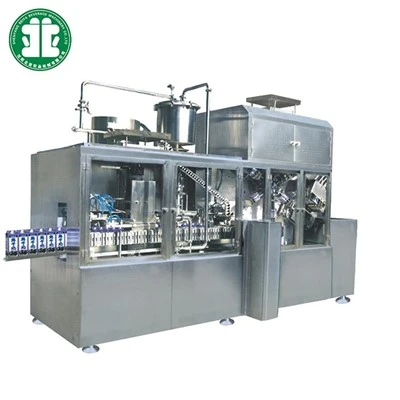
First off, what even is hot filing? Let’s start with the basics: filing, in manufacturing, is just the process of shaping or finishing a metal part by removing tiny bits of material with a sharp, abrasive tool (that’s the file, duh). Hot filing takes that idea and cranks up the heat—way up. We’re talking heating the metal workpiece to around 600°C to 900°C, right before the filing step. Why heat it? Because most metals get way softer when they’re hot, especially steel, aluminum, and the alloy metals automakers love these days. If you’ve ever tried bending a cold paper clip, it’s almost impossible without snapping. Heat that same clip up, and it bends like butter—same idea here. That softness means the file doesn’t have to fight as hard to remove material, cuts way cleaner, and leaves less stress on the part.
Wait, hold up—let’s make sure I’m not confusing it with other hot metal processes. Hot stamping, hot forging, those are for shaping thick, raw blanks into rough parts, right? Hot filing is for the finishing step. Like, you’ve just stamped a car engine’s valve seat, and it’s got a little extra rough edge or a slight overhang where the press didn’t line up perfectly. Or you’ve machined a transmission gear’s splines, and there’s tiny burrs that would catch on other parts and cause wear. Hot filing takes those rough, messy post-stamp or post-machining parts and turns them into tight, dimensionally accurate, smooth-finished bits that fit exactly where they need to.
Now, let’s get into why automakers are obsessed with it right now. A few years back, everyone relied on cold filing or CNC machining for these finishing steps, but both have big downsides. Cold filing works, but for high-volume auto parts, it’s slow. If you’re making 10,000 valve seats a day, a cold file will jam, dull fast, and leave inconsistent edges. CNC machining is precise, but it’s expensive—each tooling change costs thousands, and it’s hard on thin, fragile parts. Hot filing fixes a lot of that.
Let’s talk real-world examples, because this isn’t just theory. Take electric vehicle (EV) components, which are blowing up right now. EVs have a ton of powertrain parts made from soft aluminum alloys to keep weight down—like motor housing covers, battery terminal connectors, and the gears in the reduction drive. Those parts can’t have any burrs or uneven edges, because a burr on a battery terminal could cause a short, and a rough gear edge would wear out in a few thousand miles. With hot filing, we can take those aluminum parts, heat them to around 700°C, and file down any imperfections in a fraction of the time cold filing takes. The files last 3x longer, too—no more replacing a file every hour on a high-production line.
Or take traditional gas engine parts, like exhaust manifolds. Exhaust manifolds are made from cast iron, which is super strong but also brittle. Cold filing cast iron often causes tiny cracks in the metal that get worse as the engine heats up, leading to leaks. Heat the manifold up to 800°C, and the cast iron becomes malleable instead of brittle. The hot file cuts through the rough cast surface without cracking, and the finish is smooth enough to eliminate the need for extra sanding steps. That cuts production time for each manifold by almost 40%—huge for a plant making 500 manifolds an hour.
Wait, but there’s a catch, right? I’m not gonna sell you a hot filing machine without being real about the pros and cons. Let’s start with the pros first, because that’s why we’re here:
- Faster production: Like I said, softer metal cuts easier. A hot filing operation can process 2-3x more parts per hour than cold filing for most auto components.
- Better part quality: No burrs, no cracks, more consistent dimensions. We recently installed a line for a big German automaker, and their reject rate for valve seats dropped from 3.2% to 0.8% within the first month. That’s millions saved on scrap and rework.
- Lower tooling costs: Hot files don’t wear out as fast because the metal is soft, not abrasive. We’ve seen customers cut their tooling costs by 50% annually on finishing steps.
- Works on fragile parts: Thin, delicate components like small EV battery terminals or brake line fittings? Cold filing would bend or snap them. Hot filing lets you shape them without any stress, because the metal is flexible when hot.
Now the cons, so you know what you’re getting into:
- Energy costs: You’ve got to heat the workpiece, obviously. But wait—modern hot filing machines have induction heating built right in, so they only heat the exact spot you’re filing, not the whole part. That cuts energy use by 70% compared to old-school furnace heating. For most plants, the savings from faster production and lower tooling outweigh the energy cost in 2-3 months.
- Safety protocols: Hot metal is nothing to mess with. You can’t just walk up to a hot part with a file without proper PPE, and the machine needs interlocks to make sure no one sticks their hands near the hot zone. But honestly, modern lines have safety features that are way stricter than cold filing machines anyway, so it’s just a matter of training, not extra risk.
- Not for every part: If you’re finishing a super hard, high-strength steel part that doesn’t soften much until way higher temps, hot filing might not be worth it. But for 90% of the auto parts we work on—aluminum, mild steel, cast iron, the EV alloys—this works perfect.
Here’s a thing a lot of people don’t talk about: hot filing isn’t a replacement for other finishing processes. It’s a complement. Like, you’d use CNC machining to cut the rough shape of a gear, then hot filing to smooth the splines so they mesh perfectly. Or you’d cast an exhaust manifold, then hot file the flange edges to get a tight seal with the exhaust pipe. It fills that sweet spot between rough forming and final quality checking.
Why am I so passionate about this? Because I’ve been in this game for 12 years, and I’ve seen so many plants stuck using old, outdated processes that cost them millions. A couple years back, I worked with a small auto parts supplier in Michigan that was using cold filing for their steering knuckles. They were missing their production targets every week, and their scrap rate was eating 15% of their monthly budget. We installed a hot filing line, and within three months, they were producing 25% more parts with half the scrap. That’s jobs saved, less waste, better products on the road. That’s the stuff that makes this work worth it.
Now, if you’re someone who’s in the auto manufacturing space—plant managers, production engineers, quality leads—you might be wondering: is this right for my line? Let’s think about the current shifts in auto manufacturing, too. EVs are pushing for lighter parts, tighter tolerances, higher production volumes. Traditional gas engines are shifting to more efficient components that need smoother finishes to cut emissions. Hot filing checks all those boxes. It’s not a flashy new tech like solid-state batteries or self-driving systems, but it’s one of those behind-the-scenes innovations that keeps the whole industry moving.
Wait, let’s clear up another common mix-up: hot filing vs. hot grinding. Hot grinding is another process, where you use a spinning abrasive wheel to remove material from hot metal. It’s fast, but it leaves a rougher surface and more heat-affected zones (spots where the metal gets so hot it changes its structure, which can weaken it). Hot filing uses a linear, sharp-edged file to remove material, so it leaves a much smoother, more consistent finish with way less heat impact on the part. For auto parts that need to last 10+ years, that difference is huge.
I get it, change is hard. If your plant has been using cold filing for 20 years, switching to hot filing can feel like a big step. But we’ve got retrofits, too—we can add hot filing units to your existing lines without ripping out all your equipment. We work with small mom-and-pop shops and big multinational automakers alike, because this isn’t a one-size-fits-all, but it’s flexible enough to fit almost any production setup.
If you’re reading this and thinking, “Yeah, this might solve the headaches we’ve been having with finishing steps,” don’t leave it at that. Hot filing isn’t something you want to mess around with—you need a supplier who knows how to install it, train your team, and keep it running. I’ve seen people try to cut corners by buying cheap hot filing machines that break down in a month, leading to way more downtime. We’ve been in this long enough to know that a good hot filing machine is an investment, not an expense.
Whether you’re working on EV components, traditional engine parts, transmission gears, or brake system parts, hot filing is a process that’s worth checking out. It’s already used by most of the top auto manufacturers, and it’s only going to become more common as the industry ramps up production and pushes for higher quality.
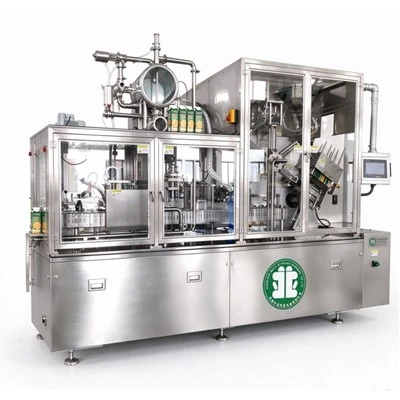
If you’re ready to stop dealing with slow cold filing, high scrap rates, or inconsistent part finishes, reach out to us. We can walk you through how a hot filing line would work for your specific parts, answer all your questions, and even set up a demo so you can see it in action on your own components. Don’t let outdated processes hold your production back—hot filing is the upgrade you need.
Detergent Filling Machine References:
- Automotive Manufacturing Association. (2022). Hot Finishing Processes for Lightweight Auto Components.
- Society of Manufacturing Engineers. (2023). Hot Filing: Applications and Quality Benefits in Powertrain Production.
- International Journal of Automotive Technology. (2021). Comparative Analysis of Cold vs. Hot Finishing Methods for Aluminum Alloy Parts.
- U.S. Department of Energy. (2022). Energy Efficiency in Metal Finishing for EV Manufacturing.
Shenyang Beiya Beverage Machinery Co., Ltd.
With abundant experience, we are one of the most professional hot filing machine manufacturers and suppliers in China. If you’re going to buy customized hot filing machine made in China, welcome to get quotation from our factory. For price consultation, contact us.
Address: No.2-1, Tongling Street, Yuhong District, Shenyang City, Liaoning Province, China
E-mail: market@sybeiya.com
WebSite: https://www.chinafilling.com/
