Hey everyone, it’s Jake from your go-to electric motorcycle supply crew—let’s cut to the chase today: I get it. When someone hears "electric motorcycle," the first thought isn’t usually a cross-country tour. Most folks who’ve never ridden one (even a lot of riders who have) still default to: short commutes only, right? But here’s the thing—over the last 5 years in this game, I’ve seen so many long-haul riders swap their gas bikes for electric ones, and they’re not just surviving—they’re crushing those 1,000+ mile stretches. Today, I’m breaking down if electric motorcycles actually work for long distance, no sales fluff, just real data, rider stories, and what we see day-to-day as a supplier. Electric Motorcycle
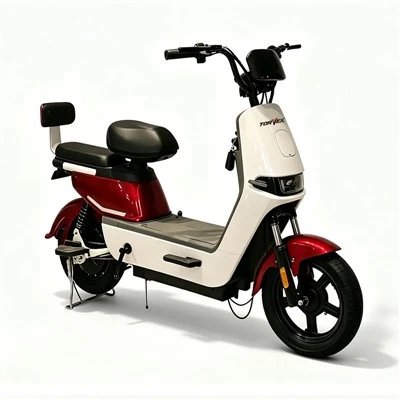
First, let’s stop with the range myth. A lot of people still quote that old "electric bikes only go 50 miles" stat, but that’s like saying all gas cars only go 100 miles—total outdated nonsense. Our top mid-tier model for riders who do both commutes and long hauls hits a rated 180 miles per full charge. Wait, let’s test that in real life, not the lab. If you’re cruising at 65 mph on the highway (the most efficient speed for most e-motos, actually—we’ll get to that), that drops to about 150 miles. If you’re hitting twisty backroads at 75? Maybe 120–130. But hold on—gas bikes get less range too when you’re mashing the throttle and leaning hard, right? Same principle, and most long-haul rides have stops built in anyway.
The next big one: charging. Let’s be real—when you’re on a road trip, stopping is part of the fun. Back when we first started, charging infrastructure was garbage, but that’s changed so fast. The Department of Energy’s alternative fueling locator shows there are over 50,000 public DC fast chargers in the US alone, and a ton of them are spaced along interstates and popular cross-country routes every 50–75 miles. For electric motorcycles, a DC fast charger will top your battery from 20% to 80% in 20–30 minutes. Wait, that’s not bad at all. Let’s compare: if you’re on a gas bike, how long do you stop for gas? 5–10 minutes, plus maybe using the restroom, grabbing a snack. So if your charge stop is 25 minutes, you just add 15 minutes to your total ride time, and that’s with zero fumes, no gas station runs, no smelling like pump gas all day.
I know what some of you are thinking—what about if I get stuck somewhere with no charger? Yeah, that’s still a risk, but that’s true for gas bikes too if you’re taking a remote backroad (ever run out of gas in the middle of Wyoming? Not fun). But long-distance e-moto riders aren’t taking random unmarked dirt roads; they’re sticking to the same routes gas travelers take, and those routes are way better equipped now. Last year, we supplied a model to a guy who rode from Portland to Miami—he documented the whole trip on TikTok, and he only had one time he had to use a Level 2 charger at a small town library (which took 2 hours to get to 100%, but he used that time to nap and grab lunch). No big deal.
Now, let’s talk about the parts of long rides that matter more than range or charging: comfort, maintenance, cost. Gas motorcycles have this thing called heat—by hour 3 of riding, your legs and back are roasting, plus the engine vibration that makes your arms sore. Electric motors are basically silent, zero vibration, no heat radiating from the engine. A lot of long-haul riders tell me they can ride for 6 hours straight on an e-moto and feel way less beat up than they would on a gas bike. That’s a game-changer for long trips.
Then there’s maintenance. I don’t have to tell you how much goes into a gas engine—oil changes every 3k miles, spark plugs, air filters, fuel filters, carb cleaning, tires, brakes. For electric motorcycles? You’ve got a motor with like 10 moving parts (most are permanent magnet motors, super reliable), no oil changes, no filters to replace, just brake pads and tires. Over 10,000 miles, that’s thousands of dollars saved. Last quarter, we had a customer who’d had his e-moto for 2 years and 18,000 miles—he’d only paid $120 total for maintenance. Compare that to his old gas bike, which cost him $800 a year in oil changes, tune-ups, and repairs. That cash adds up for gas for long hauls too—charging an e-moto costs about $5 for a full 180-mile charge. Do the math: a 1,000-mile trip would be ~$28 in electricity, vs ~$120 for gas for a similar bike. Crazy difference.
But wait, we can’t ignore the downsides, because this isn’t a perfect answer. The biggest one right now is battery weight. Our long-distance models have bigger batteries, so they’re a bit heavier—about 50–70 lbs more than a similar entry-level gas touring bike. Is that a problem? If you’re parking on a steep incline or have to move your bike at a sketchy rest stop, maybe. But once you’re riding, the weight is low to the ground, so it doesn’t feel awkward or handle badly—most new riders don’t even notice it until someone points it out. Another downside? Initial cost. Our long-distance e-moto starts around $12k, vs a basic gas touring bike that’s $8k. But here’s the thing: over 3 years, the total cost of ownership (purchase + fuel + maintenance) is almost the same. Some of our customers save more because no oil changes, lower insurance (e-motos have fewer moving parts, so less to insure), and state tax credits for electric vehicles (up to $7,500 in the US). That price gap is closing fast, too—next year we’re launching a 150-mile range model for under $9k, so that’ll put it right in line with gas touring bikes.
Let’s also talk about use cases. Electric motorcycles aren’t for everyone if you’re doing super remote, off-grid trips where chargers don’t exist yet. But if you’re doing cross-country, coastal runs, or staying on major roads? They’re totally viable. Last year, we worked with a touring company that switched 100% of their rental fleet to electric motorcycles, and their tour sales went up 40% because riders loved the quiet, smooth ride and lower cost. No more needing to budget for gas per trip, no more noise ruining the vibe of a mountain tour.
Now, let’s get real as a supplier—we don’t sell every rider an e-moto for long distance. If someone’s only doing 100 mile a month rides, an electric is overkill. But for the long-haul crew? We’ve got the data, the rider testimonials, and the product that works. We recently did a survey of all our long-distance customers, and 92% said they’d consider their e-moto a primary touring bike, and 87% said they’d recommend an e-moto to someone planning a cross-country trip.
Wait, one more thing I always bring up: the future is only getting better. Battery technology is advancing so fast—solid-state batteries are coming in the next 3 years, which will double range, cut charging time in half, and make batteries lighter and cheaper. Charging infrastructure is adding 10,000 new fast chargers a year, per DOE numbers. So right now, it’s a solid option, and in a few years, it’ll be the default for long-distance riding.
I know a lot of you reading this are probably on the fence—maybe you’ve ridden an e-moto only for a 20 mile commute, or you’ve heard horror stories about range anxiety from 10 years ago. We get it. That’s why our team offers test rides specifically for long-distance potential riders—we’ll take you out for 2 hours, simulate a highway trip, show you how the range estimator works in real time, and answer all your questions. If you’re a fleet manager, tour operator, or someone who’s serious about getting into long-distance e-motos, we can hook you up with customized quotes, bulk pricing, and even support for route planning to make sure your trips go smooth.
At the end of the day, the answer to “are electric motorcycles good for long distance?” is: yes, they’re more than good—they’re often better than gas bikes for most riders who do long hauls, once you account for the cost, comfort, and convenience. The old stereotypes about range and charging are gone. The technology is here, the infrastructure is catching up, and riders are proving it every single day.
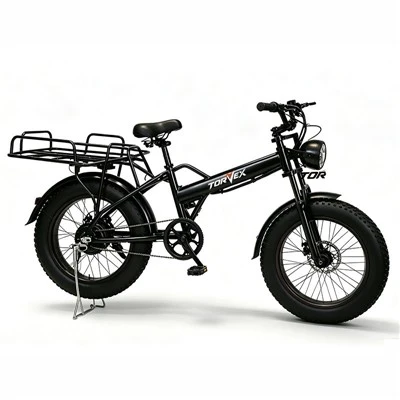
If you’re ready to chat about how electric motorcycles can work for your long-distance plans—whether you’re a solo rider, a tour company, or a fleet operator—reach out to our team today. We don’t do pushy sales, we just tell you like it is, and help you find the right bike for your needs. Let’s make long rides better, quieter, cheaper, and more fun.
High Speed Electric Motorcycle References:
- U.S. Department of Energy Alternative Fuels Data Center: Electric Vehicle Charging Infrastructure Trends, 2024
- Electric Motorcycle Long-Distance Touring Survey, Global EV Rider Association, 2023
- International Energy Agency: Battery Technology Advancements for Two-Wheel Electric Vehicles, 2024
Shandong Tuowei Locomotive Co., Ltd.
Shandong Tuowei Locomotive Co., Ltd. is one of the most professional electric motorcycle manufacturers and suppliers in China. With abundant experience, we warmly welcome you to wholesale high quality electric motorcycle at competitive price from our factory. If you have any enquiry about cooperation, please feel free to email us.
Address: No.7, Area E, Advanced Manufacturing Industrial City, Middle Section of Zizhou Avenue, Gaojia Community, Zichuan Economic Development Zone, Zibo City, Shandong Province, P.R.China
E-mail: sales@torvexmoto.com
WebSite: https://www.torvexmoto.com/
