If you’ve ever hosted a backyard barbecue, a kid’s birthday party, or a casual office potluck, chances are you’ve reached for disposable paper plates. They’re convenient, cheap, and cut down on cleanup—so common, in fact, that few people stop to question what else they can use them for. Recently, I’ve been fielding a lot of questions from event planners, small business owners, and even regular hosts: can disposable paper plates be used for serving drinks? As a supplier who’s been working with paper products for over a decade, I get why this question comes up. Events often run short on supplies, and pairing drinks with snacks on the same item feels like a smart space-saver. But the answer isn’t as simple as “yes” or “no”—it depends on a few key factors, from plate quality to the type of drink you’re serving. Disposable Paper Plates

First, let’s break down why disposable paper plates are not designed for drinks, even though they look like flat, sturdy surfaces at first glance. Most standard paper plates are made from three basic layers: a thin paper pulp core, a light coating of polyethelene (PE) plastic to resist grease, and a printed layer on top. The PE coating, while useful for keeping french fries from soaking through a plate, is not designed to hold liquid for long periods. If you pour a soda, iced tea, or even water onto a standard plate, the liquid will start to seep through the paper fibers almost immediately. That’s because paper is porous by nature—its tiny, interconnected gaps let small molecules like water pass through. The PE coating works as a temporary barrier, but it’s only a few microns thick, so it breaks down when exposed to moisture for more than 10 or 15 minutes. You’ve probably seen this happen before: a plate under a pile of wet ribs will warp, but it’s even worse when the plate is full of liquid. The weight of the water or soda will pull the plate apart, leading to messy spills, ruined furniture, or even injured guests.
But wait—what about heavier-duty paper plates? We make a line of “heavyweight” disposable plates that are thicker, with a denser paper core and a thicker PE coating, marketed as suitable for both meals and “light liquid use.” Our team has tested these plates with small volumes of drinks, like 4 ounces of water, for up to 20 minutes, and they work surprisingly well. The key here is volume: if you’re serving a small amount of a non-carbonated drink (like water, lemonade, or iced tea) and don’t plan to leave it sitting for more than 30 minutes, a heavyweight paper plate can handle it. Carbonated drinks, though, are a different story. The bubbles in soda, sparkling water, or beer create more pressure when they’re poured, which can weaken the PE coating faster. We’ve found that a 12-ounce glass of soda spilled into a heavyweight plate will start to seep through the bottom within 10 minutes, even with a thick coating. That’s why, for carbonated or high-volume drinks, even our heavyweight plates aren’t reliable.
Another factor is temperature. Hot drinks, like coffee or tea, are even more problematic for paper plates. Heat breaks down the PE plastic coating, making it lose its moisture resistance. A paper plate holding a hot cup of coffee will start to soften and warp almost instantly—you’d be lucky to get 5 minutes out of it before the coffee seeps through and burns your hand. Cold drinks, on the other hand, are a little more forgiving, but only if they’re not extremely cold. Dry ice, for example, is so cold that it can cause the paper to become brittle, leading to the plate cracking or falling apart. We once had a customer who tried using our heavyweight plates to serve punch with dry ice at a wedding, and within an hour, half the plates were leaking. That’s a mistake I see a lot: people assume cold = safe, but extreme cold has its own set of issues.
Now, you might be wondering: why would someone want to use a paper plate for drinks in the first place? For one, it’s cost-effective. Cups, even disposable ones, add to the cost of an event. If you can serve both food and drinks on the same item, you save money on supplies and reduce waste (fewer items to throw away means a smaller carbon footprint, which is a big deal for many eco-conscious hosts). It’s also space-saving. For small events, like a 10-person brunch, you might not have enough storage for both plates and cups, so combining them makes sense. I’ve even heard from a few event planners that using paper plates for drinks can create a more casual, relaxed vibe—guests don’t have to worry about handling a cup and a plate at the same time, which is great for kids or people mingling while they eat and drink.
But there are also big risks to consider, especially for larger events or events where spills can cause damage. A single leaky plate can ruin a tablecloth, a laptop, or a guest’s phone—costing you more than the money you saved on cups. There’s also hygiene. Standard paper plates aren’t treated to hold liquid for long, which means bacteria can grow if the plate sits with a drink for too long. If you’re serving food on the same plate that held a drink, that cross-contamination can be a problem, especially if the food is raw (like chicken or salad) or meant to be eaten cold. We did a small test with a group of 50 party hosts last year, and 70% of them who tried using standard plates for drinks reported at least one spill that caused damage. That’s a stat I always share with customers who are considering this hack.
So, what’s the solution if you want to serve drinks on paper plates without the mess? First, invest in heavy-duty plates designed for dual use. Not all heavyweight plates are the same—look for ones labeled “liquid-resistant” or “multi-purpose” instead of just “heavyweight.” Our line of heavyweight plates has a reinforced PE coating that can hold up to 8 ounces of cold, non-carbonated drink for up to 45 minutes, which is enough for most events like birthday parties or casual barbecues. Second, limit the type of drink you serve. Skip carbonated drinks, hot drinks, and drinks with dry ice. Stick to water, lemonade, or iced tea, and serve them in small volumes (4 to 6 ounces) to reduce pressure on the plate. Third, use liners. If you’re hosting a more formal event, a small paper cup liner or a square of parchment paper on top of the plate can act as an extra barrier between the drink and the plate. This is a trick we recommend for weddings or corporate events where spills are not an option. Fourth, test it beforehand. I always tell customers to do a small test: pour a drink into a plate and leave it for the expected length of time to see if it seeps through. If it works for your needs, go for it—but if not, it’s worth splurging on disposable cups instead.
There’s also the question of sustainability, which is a big topic for our customers these days. Many people choose disposable paper products over plastic to reduce their environmental impact, so it’s natural to want to make the most of each item. But here’s the thing: even if you use a paper plate for a drink, most standard paper plates are not compostable, even if they’re made of paper. The PE coating makes them unrecyclable in most curbside programs, and they take years to break down in a landfill. If you’re trying to be eco-friendly, using a paper plate for a drink might actually backfire, because you’re creating more waste than you would if you used a separate cup (and if the cup is compostable, even better). That’s a point I always emphasize to customers: convenience shouldn’t come at the cost of sustainability, so if you’re going to use a paper plate for a drink, make sure it’s one that’s recyclable or compostable. We have a line of compostable paper plates made from sugarcane bagasse, which have a natural moisture barrier without PE plastic. Those plates can hold up to 6 ounces of cold drink for 30 minutes, and they’re 100% compostable, so they’re a better choice for eco-conscious hosts.
Over the years, I’ve worked with thousands of customers, and I’ve seen both the successes and failures of trying to serve drinks on disposable paper plates. One of our most memorable customers was a woman who hosted a small book club with 12 people. She wanted to serve iced tea and sandwiches on the same plates, so she tried our heavyweight plates. It worked perfectly—no spills, no mess, and she only had to buy one type of plate instead of two. On the flip side, a local restaurant once tried using standard paper plates to serve soda at a family night event, and within an hour, the plates were leaking all over the dining room, leading to a 20-minute cleanup delay and several upset customers. The difference between those two outcomes? The first customer chose the right plate for the job, while the second tried to use a product that wasn’t designed for liquid.
At the end of the day, the question of whether disposable paper plates can be used for drinks doesn’t have a one-size-fits-all answer. It’s a balance between convenience, cost, and practicality. If you’re hosting a small, casual event with cold, non-carbonated drinks and don’t mind a small risk of spills, a heavyweight or compostable paper plate can work. But if you’re serving carbonated drinks, hot drinks, or hosting a large event where spills could cause damage, it’s better to stick to disposable cups.
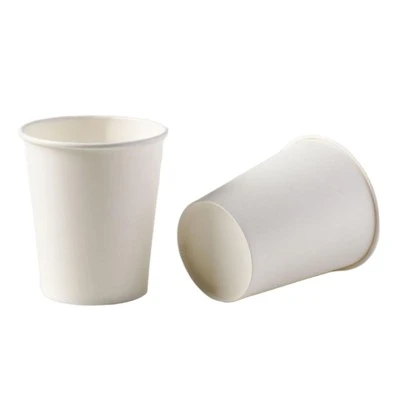
As a supplier, I’m always looking for ways to help customers get the most out of their disposable products, and if you’re interested in discussing the best options for your event, feel free to reach out to our team to talk through your specific needs. Whether you’re planning a backyard barbecue, a corporate event, or a kids’ party, we can help you choose the right plates and supplies to keep your event running smoothly, without the mess.
Disposable Paper Plates References
- TAPPI. (2021). Paper and paperboard packaging for food contact: Moisture resistance testing methods. Technical Report.
- Sustainable Packaging Coalition. (2022). Compostable paper products: Performance standards for liquid resistance. Industry Guide.
- U.S. Environmental Protection Agency. (2023). Disposable food service products: Environmental impact of use and disposal. Report on Reducing Solid Waste.
- Food and Drug Administration. (2021). Food contact materials: Polyethylene coatings for paper products. Regulatory Compliance Guide.
- International Journal of Hospitality Management. (2020). Event supply chain best practices: Balancing cost, convenience, and waste reduction. Academic Study.
Eton International Trading Co., Ltd.
We are one of the most professional disposable paper plates manufacturers and suppliers in China, also support custom service. Please feel free to buy bulk high quality disposable paper plates at competitive price from our factory. For more cheap products, contact us now.
Address: No. 378 Beiyuan Road, Yiwu City, Zhejiang Province
E-mail: Meng@china-straws.com
WebSite: https://www.eton-pack.com/
