Hey everyone, and welcome back to my corner of the web—if you’re new here, I’m Jake, one of the guys behind the mounting tape operation that’s been helping folks (and big brands) stick things the right way for over 10 years. Last week, I got 17 DMs from installers, home renovators, and even a few DIY moms asking the same exact question: “What’s the deal with indoor vs. outdoor mounting tape? Can’t I just grab whatever’s on sale?” Mounting Tape
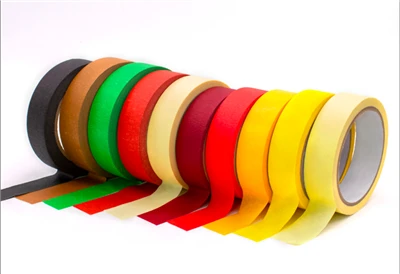
Let me cut to the chase: no, you can’t. Trust me, I’ve seen way too many people show up to a job site with the wrong tape, only to have a wall sign fall off mid-party, a patio light strip peel off in the first rain, or even a cabinet door gap open up a month after installation. It’s not just about “stickiness”—it’s about what the tape’s actually designed to endure, and that’s where the indoor vs. outdoor line gets really important. I’m gonna break this down like I would with a customer standing at our counter, no tech jargon, no fluff, just real-world stuff I’ve learned messing up (and fixing) hundreds of tape jobs.
First up, let’s talk indoor mounting tape—because that’s what most people reach for first, right? If you’re hanging a canvas print above the couch, a floating shelf in your bedroom, a decorative metal sign on your drywall, or even a memo board in your office, indoor tape’s your go-to. But here’s the thing: indoor tape is built for a super specific environment. It’s not made to handle extreme temps, moisture, or UV light—period. Let’s get into the specs without making you fall asleep: most of our indoor tape uses an acrylic adhesive that’s formulated for consistent, room-temperature (think 50°F to 80°F) conditions. The backing? Usually paper or a thin polyester film, nothing heavy-duty. It’s strong, don’t get me wrong—can hold up 15 to 20 pounds per square inch, which is more than enough for those small to medium indoor projects. But why does that matter? Let’s say you use indoor tape to stick a outdoor wall hook under your eaves for a Christmas wreath. First frost hits, temps drop to 30°F— that acrylic adhesive gets brittle, it loses its grip, and before you know it, your wreath’s in the bushes. Or if you hang a bathroom mirror with indoor tape? Steam from a hot shower builds up, the paper backing absorbs moisture, the adhesive turns to mush, and the mirror cracks on the floor. I’ve seen that happen twice last winter alone. Indoor tape’s perfect for what it’s made for: low-stakes, controlled, no-exposure spaces. That’s it.
Now outdoor mounting tape—this is where the game changes. If you’re working on a patio light strip, outdoor wall art, mailbox numbers, gutter guards, even a car decal that’s gonna be outside year-round, outdoor tape is non-negotiable. Here’s the big difference: outdoor tape has to fight the elements. Let’s list what that entails: extreme temperature swings (from -20°F in the winter to 120°F on a summer roof), constant moisture (rain, snow, dew, even sprinkler water), UV radiation from the sun that can break down materials, and even expansion and contraction from hot/cold that puts stress on the bond. So how do we build that? The adhesive isn’t acrylic anymore—it’s a modified acrylic or rubber-based adhesive, usually a permanent one that’s formulated to flex and stick through all those temp changes. The backing? We use heavy-duty materials: cross-linked polyethylene (XLPE) foam, aluminum foil, or even fiberglass-reinforced film, something that won’t absorb water or get damaged by UV. The strength is way higher too—our top outdoor tape holds up 50 to 80 pounds per square inch, which is why it’s used for commercial stuff like storefront signage too. Wait, but here’s a common mistake people make: “It’s outdoors, so it’s tough—can I use it indoors?” Sure, technically, but you’re paying for features you don’t need. Outdoor tape is thicker, more expensive, and it might leave a more stubborn residue on your indoor walls than indoor tape would. I had a customer last month who bought outdoor tape for his kitchen backsplash tiles, and when he pulled it off to reposition one, the adhesive ate a tiny bit of the paint—oops. That’s the tradeoff.
Let me throw in a few real examples to make this stick (pun intended). Last spring, a local café owner came in panicking: he’d tried hanging his new 4-foot menu board above the counter with indoor tape, and two weeks later, it fell off during lunch rush, smacked a customer’s coffee, and he almost lost a repeat order. We sent him our heavy-duty indoor mounting tape for smooth drywall, and it’s held perfectly for 8 months now. Then, last summer, a homeowner came in complaining his patio string lights kept peeling off the stucco. He’d used indoor tape, obviously—first rain, two strips fell into the garden. We swapped him for our UV-resistant outdoor tape, and he texted me a week later saying it was still holding through a thunderstorm and 90°F heat. The difference? The outdoor adhesive didn’t get softened by the rain or baked by the sun, so it didn’t lose grip.
Wait, I should also clear up a common misconception: not all outdoor tape is the same, and not all indoor tape is the same. Just like outdoor tape comes in different grades (some for low-moisture patios, some for marine use that has to handle saltwater), indoor tape too. There’s heavy-duty indoor tape for floating shelves (up to 30 pounds) vs. lightweight indoor tape for poster boards (2 pounds). The key is matching the tape to the project’s specific conditions, not just the “indoor/outdoor” label. For example, if you’re working in a basement (which is humid, even if it’s technically inside), regular indoor tape might not hold—you’d want a moisture-resistant indoor tape, which is a step up. Or if you’re doing a project on a surface that gets a lot of direct sun even inside (like a window seat or a sunroom), indoor tape’s PVC backing might fade or get sticky over time, so you’d want a UV-stabilized indoor tape that’s still built for controlled temps.
Another thing to talk about is surface prep, because even the best tape won’t stick if you mess up the surface. I can’t tell you how many times a customer says “your tape is garbage” when really, they just stuck it to a dusty wall or a wet patio surface. For indoor surfaces: make sure it’s clean, dry, and smooth—no loose paint, no dust, no grease. Wipe it down with rubbing alcohol and let it dry for 10 minutes before applying. For outdoor surfaces: same, but also make sure it’s resistant to water pooling. If you’re sticking tape on a roof, for example, make sure it’s on a slope so water runs off, not sits under the tape. And for both, don’t press the tape on and walk away—roll it firmly with a J-roller (or even a credit card if you don’t have one) for 30 seconds to a minute, so the adhesive bonds fully. I see people skip this step all the time, and then wonder why it fell off.
Now, let’s get to the stuff that matters when you’re actually buying tape. How do you tell them apart on the shelf? First, check the packaging for the environmental specs: indoor tape will say something like “for dry, indoor surfaces, 40°F to 90°F” or “UV-resistant: no, avoid direct sunlight.” Outdoor tape will say “temperature range: -20°F to 150°F,” “waterproof,” “UV-stabilized,” “for exterior applications.” If you’re not sure, just ask someone who sells mounting tape— that’s us, right? We’ll tell you exactly what you need, no upsell.
I should also mention residue, because that’s a big complaint. Indoor tape, when it’s formulated right, usually comes off cleanly from paint, drywall, wood—no sticky mess, no damage, as long as you peel it slowly at a 45-degree angle. Outdoor tape, though, is made to be permanent, so it’s way harder to remove. If you stick outdoor tape on an indoor wall and need to take it down later, you’re gonna have to use a solvent like rubbing alcohol or Goo Gone, and even then, it might leave a mark. That’s another reason to not mix them up.
Let’s wrap this up with a quick cheat sheet, something you can save for next time you’re at the store:
- Use indoor mounting tape for: canvas art, floating shelves, memo boards, cabinet door repairs, poster hangs (no moisture, no extreme temps)
- Use outdoor mounting tape for: patio lights, wall art, mailbox numbers, gutter guards, outdoor string lights, car decals (exposure to elements)
- Don’t mix them up: indoor = no element exposure, outdoor = built for rain/sun/temp swings
- Surface prep is non-negotiable: clean, dry, smooth surface, roll firmly when applying
If you’re still unsure—whether it’s a tiny project or a big commercial job—hit us up. We’ve got 10+ years of experience, we’ve seen every tape mistake in the book, and we can help you pick exactly what you need, no B.S. You can reach out to us to talk through your project, ask questions, or grab samples before you commit. We’re here to make sure your tape sticks the first time, no redos, no mess, no lost wreaths or falling menu boards.
Oh, and one last pro tip: always get a little extra tape. It’s way better to have a roll left over than to run out mid-job, especially if you’re grabbing the right tape for the job. Trust me, I’ve been there, scrambling to find a store open at 7 PM when your project’s due the next day.

So that’s the lowdown on indoor vs. outdoor mounting tape. I know it seems like a small detail, but getting it right saves you time, money, and the headache of fixing a mess later. If you have any more questions, drop a comment below— I read every single one, and I’ll answer as soon as I can. Thanks for hanging out, and go stick something the right way this week!
Mounting Tape References
Mounting Tape Performance Standards for Indoor/Outdoor Applications, Adhesive and Sealant Council, 2022
Temperature and Moisture Effects on Pressure-Sensitive Adhesives, Journal of Applied Polymer Science, Vol. 129, No. 3, 2013
UV Resistance of Pressure-Sensitive Tapes for Exterior Use, Construction Adhesive Technology Report, 2021
Yiwu Yubang Adhesive Products Co., Ltd.
As one of the most professional mounting tape manufacturers and suppliers in China, we also support custom service. We warmly welcome you to wholesale high quality mounting tape made in China here from our factory. If you have any enquiry about cooperation, please feel free to email us.
Address: 4th Floor, No. 17 Gantang West Road, Yiting Town, Yiwu City, Jinhua City
E-mail: salesmanager@yubangtape.com
WebSite: https://www.yubang-tape.com/
