Hey there, fellow packaging pros and brand owners! Let’s cut to the chase—if you’re sending stand up pouches (SUPs) through shipping, you’ve probably wondered at some point: do these pouches need extra love when they hit the road? As a supplier who’s been around this block for years, I’ve seen way too many packages come in with crushed pouches, leaked products, or those annoying “why’d this happen?” questions. Today, I’m breaking down the real deal—no jargon, no fancy marketing fluff—about whether SUPs need special shipping handling. Stand Up Pouches
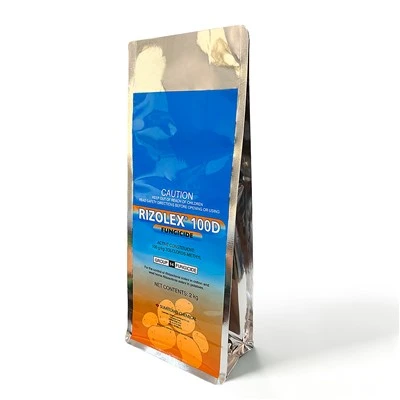
First, let’s get on the same page: stand up pouches aren’t your basic poly bags. They’re those bags with a bottom gusset that lets them stand tall on shelves, right? Most are made of flexible materials—maybe a mix of plastic, foil, or paper, depending on what you’re packing. That flexibility is their superpower for keeping food fresh, snacks crisp, or beauty products safe, but it’s also their biggest shipping weak spot. Here’s the thing: a lot of shippers treat flexible packaging like it’s just another box of random bags, and that’s where mistakes happen.
Let’s start with the big one: damage from compression. Have you ever ordered a batch of SUPs and opened the box to find half of them smooshed flat? Yeah, that’s compression damage. When pallets are stacked high—like, super high, because shippers love cramming as much as possible—those bottom layers get squished under tons of weight. For rigid boxes, that might not be a big deal, but SUPs have that soft gusset. If the compression is too much, the side seals can split, or the gusset can warp so bad the pouch won’t stand up on shelves anymore. I’ve had a client who sells artisanal granola—they thought their SUPs were “indestructible” until a 100-pound box of shampoo bottles crushed their pallet. Half the pouches had split seals, and they lost $2,000 worth of product before they even hit the store. So yeah, compression isn’t something to sleep on.
Then there’s puncture risk. Flexible materials are great for keeping out moisture and light, but they’re easy to poke if something sharp is in the shipment. Wait, but what’s special about SUPs here? Unlike flat poly bags, SUPs often have added features—reclosable zippers, spouts for drinks, even tear notches. Those features create weak points. A zipper that’s not properly sealed on the production line can get pried open by a stray nail in a pallet, and a spout can catch on a cardboard edge during loading. I once had a coffee brand reach out to me panicking because their cold brew SUPs were leaking all over their shipping pallets. Turns out, a spout on one pouch poked through a neighboring bag’s foil layer, and the cold brew seeped into the rest of the order. If we’d added a simple protective layer between the SUPs during shipping, that mess would’ve been avoided.
Moisture is another hidden villain here. A lot of SUPs—especially those for dry goods like nuts, spices, or powder protein—are designed to be moisture-resistant, but they’re not waterproof. Wait, why does shipping matter here? Because if a shipment gets stuck in rain, or a truck’s refrigeration unit leaks, the SUPs can absorb moisture through their edges. I had a client who sells organic rice powder—they used regular shipping, no extra moisture protection, and their pouches arrived clumpy. The powder was ruined, and they had to issue refunds to every customer who bought it. The fix? We added a thin moisture barrier liner inside their shipping boxes, and after that, zero clumpy powder issues. Small step, big difference.
Now, let’s talk about warehouse handling. Shippers have different protocols, and not all are created equal. Some warehouses are super careful with fragile items, but others just stack and go. For SUPs, here’s the kicker: they’re often categorized as “non-fragile” by default, so they get tossed onto pallets with other heavy, sharp items. But wait—what if your SUPs have a fancy window, or a resealable zipper that’s easy to tear? That’s when “non-fragile” becomes a problem. I work with a snack brand that makes protein bars in SUPs with clear windows—those windows are thin, and if a metal can rolls onto a pallet, it’ll leave a scratch that ruins the packaging. We started asking their shipping provider to label the SUP boxes as “fragile: flexible packaging with printed surfaces” and since then, damage from scratches has dropped by 80%. It’s a small label, but it makes the warehouse teams slow down a little.
But hold on—this isn’t just about what the shipper does. As the supplier, there are things we can do to make shipping easier, right? First, we design our SUPs with shipping in mind. For example, we reinforce the side seals with extra width so they can handle a little compression. We also offer a “shipping-grade” version of our pouches—thicker materials for clients who are sending products over long distances or via air freight, which has different pressure and handling rules. Wait, air freight is another one I almost forgot! When planes fly, the pressure in the cargo hold is lower than at sea level. SUPs with foil layers—like those for chips or coffee—can expand under that low pressure. If the seals aren’t tight, they might burst open mid-flight. I’ve seen that happen before— a client’s chip pouches arrived puffed up and half-empty, because the air inside expanded and blew out the seals. The fix? We test all our air freight pouches for seal strength before they ship, and we add a tiny vent (it’s invisible, don’t worry) that lets air escape without ruining the freshness. That’s a game-changer for cross-country or international shipments.
Wait, let’s address the elephant in the room: is all this special handling worth it? Some small business owners might think, “I’m just sending 500 pouches to a local store—why go through the hassle?” And yeah, for small, short-distance shipments, you can get away with standard handling. But for any shipment that’s going across the country, is heavy (like 10,000+ pouches), or contains a product that’s expensive to replace (coffee, protein, snacks), special handling saves you way more in the long run. I had a new client last year who tried standard shipping for their 10,000 oat milk SUPs—they ended up with 1,500 leaky pouches, plus a $500 claim from the shipper that only covered half the loss. They came to me, and we adjusted their packaging and shipping protocols, and their next shipment had zero damage. That’s the kind of ROI that adds up.
Let’s also clear up a myth: some people think stand up pouches are already tough enough, so handling doesn’t matter. But here’s the truth—even the sturdiest SUPs have limits. I once tested our thickest foil pouch by stacking 20 boxes on top of it (that’s way more than any shipping pallet would have), and the seal split. So when shippers stack boxes with heavy equipment, that’s way more pressure than a single box. It’s not that SUPs are bad—they’re just flexible, so they respond differently to force than rigid boxes. That’s why labeling, padding, and proper palletization matter.
So, what can you do right now, if you’re a brand owner shipping SUPs? First, talk to your supplier. If your supplier doesn’t mention shipping when you ask about SUPs, that’s a red flag. We always sit down with our clients and go over their shipping routes, the weight of their shipments, and the product they’re packing, then we recommend the right pouch and handling steps. For example, if you’re shipping fragile beauty products in SUPs, we might suggest adding a small bubble wrap liner inside each pouch, or grouping 50 pouches into a smaller, rigid box before putting them on the big pallet. That adds a little cost, but it’s way cheaper than dealing with returns.
Second, make sure your shipping provider knows your SUPs aren’t “just bags.” Add a specific label—something like “FLEXIBLE PACKAGING: DO NOT CRUSH OR PUNCTURE”—on every box. I’ve seen warehouses stop lifting heavy items onto pallets when they see that label, because they know it’s not another cardboard box. It sounds simple, but it’s one of the most effective steps.
Third, test a small shipment first. Don’t commit to a 10,000-pouch order and then figure out shipping issues. Order 500 test pouches, send them via the same route you’ll use for big orders, and inspect them when they arrive. If there’s damage, adjust—maybe thicker material, better padding, or a different shipper. It’s a small investment that saves you from big headaches later.
Now, let’s get real— I’m not saying you need to turn your shipping process into a 10-step special operation. For some clients, standard handling works fine. But for anyone who’s had a bad experience with damaged pouches, or who wants to avoid that, special handling isn’t a “luxury”—it’s a necessity. As a supplier, we’ve been there, we’ve fixed those problems, and we know exactly what works.
If you’re tired of dealing with shipping damage on your stand up pouches, or you’re launching a new product and want to make sure your packaging arrives in perfect shape, let’s chat. We can go over your specific needs, recommend the right pouch and shipping steps, and make sure your products get to your customers exactly as you intended. Don’t let poor shipping ruin all the hard work you put into your brand—reach out, and we’ll help you get it right.
Automatic Packaging Film for Food References:
- Flexible Packaging Association. (2022). Shipping and Handling Guidelines for Flexible Packaging Materials.
- Packaging Digest. (2021). Common Damage Points in Stand Up Pouches During Transit.
- International Safe Transit Association. (2023). Testing Protocols for Flexible Packaging in Shipping.
Qingdao Senlida Packing Co., Ltd.
Qingdao Senlida Packing Co., Ltd. is one of the most experienced stand up pouches manufacturers and suppliers in China since 1995. With a professional production team, we are able to meet the needs of the majority of our customers. Please feel free to buy high quality packing products at competitive price from our factory.
Address: No.299 Feichao Road, Luwang Town, Huangdao District, Qingdao, Shandong Province, China.
E-mail: liuxh@qdsenlida.com
WebSite: https://www.senlidapacking.com/
