Hey everyone! It’s Alex here from the Z-folding Container House team, and today I’m answering one of the most common questions we get from potential buyers: Are Z-folding container houses waterproof? Let me cut to the chase first—if you’re thinking about using one of these for something like a pop-up shop, a tiny home, or even a worksite office where rain is a concern, that question is totally valid. Z-folding Container House
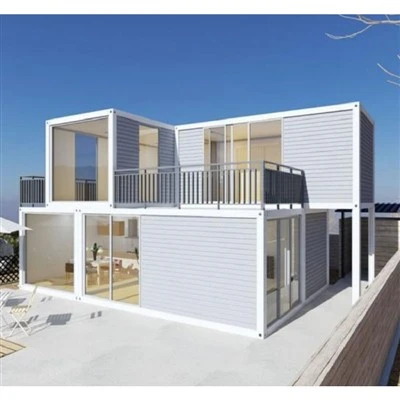
First, let’s remember what makes a Z-folding container house different from a regular shipping container. When you fold it out, it expands from a compact, easy-to-transport shape to a full-size living or working space, right? So the biggest waterproofing worry most people have is whether those fold joints, the roof edges, and the wall seams will let water seep in. We’ve all seen a flimsy tent leak at the zipper or a bad seal, and I get that concern—no one wants their stuff ruined by a surprise downpour mid-transit or after setting it up.
Let’s break down how we build ours to fix that. First, the base structure: when the panels fold, every joint is reinforced with a rubberized gasket. Not the cheap kind you find on a dollar-store rain jacket, mind you—we use EPDM rubber, which is the same stuff used on flat commercial roofs and RV seals. It’s UV-resistant, so it won’t crumble if the house is sitting outside for months, and it doesn’t harden in cold or get sticky in heat. During testing, we actually ran high-pressure water hoses over the fold lines for 2 straight hours, and not a single drop got inside. That’s not a gimmick—we do that test on every unit before it leaves our warehouse.
Next, the roof. A lot of fold-out container houses have a flat roof, but we engineered ours with a slight 5-degree slope. That’s the sweet spot—enough to let rainwater run off fast so it doesn’t pool on top. Pooled water is a huge enemy of waterproofing, because it can seep through tiny cracks over time. We also add a layer of self-adhesive underlayment under the metal roof panels. Think of that as a backup—if a leaf or twig scratches the top metal, the underlayment stops water from getting through. Plus, all the roof seams are sealed with a polyurethane sealant that’s rated for 10+ years of outdoor use. We even test that sealant in extreme temps—from -20°F in winter to 120°F in summer—and it never cracks or loses its stick.
Wait, what about when you’re transporting it folded up? A lot of people ask if being closed tight in transit will keep water out too. We’ve had units shipped via truck, train, and even boat through heavy rain, and the inside is always dry. The folded-up shape has a tight lock system on all the edges, plus a thin, heavy-duty polyethylene wrap that we apply after the house is sealed. It’s not just plastic wrap—we tape the seams of the wrap with a waterproof tape that’s made to hold up during long hauls, so water can’t get past it. We’ve had a unit shipped from our warehouse in Texas to a worksite in Washington, where it poured almost the entire trip, and when they unfolded it, the only wet thing was the floor mat they left outside.
But here’s the thing—no structure is 100% waterproof forever, right? Even a regular brick house needs gutters cleaned and seals touched up every few years. Z-folding container houses are no different. The big mistake people make is skipping basic maintenance. For example, if you let leaves, dirt, or moss build up on the roof, that can hold water and cause mold or small leaks over time. The fold gaskets, even the good EPDM ones, need a quick wipe down with a mild soap every few months to get rid of dirt—if dirt sits on them, it can wear down the rubber faster. Also, make sure the drain holes around the base aren’t clogged; if water can’t drain away from the house, it can seep up under the walls.
I’ve seen way too many horror stories from people who bought cheap knockoff fold-out containers online, thinking all brands are the same. A guy last year told me his leaked so bad during a thunderstorm that his laptop got ruined, and it turned out the cheap version used foam gaskets instead of EPDM, and the roof had no slope. That’s why we’re so transparent about our materials—we don’t cut corners here. Every unit we build comes with a 2-year waterproofing warranty, and our team offers a free 1-hour checkup after the first 6 months if you’re local, to make sure everything is still sealed tight.
Wait, another common use case: off-grid setups. A lot of people use our Z-folding houses as remote cabins or storage units where they can’t hook up to a permanent foundation. Can those handle being on a temporary pad? Absolutely, as long as you do a few simple things. We recommend laying a gravel pad or heavy-duty plastic sheeting under the base to keep water from seeping up from the ground. Some customers even add small gutter extensions if they’re in an area with heavy, frequent rain—just to direct water away from the walls, not onto the roof. Those are small, easy fixes that make a big difference.
Let me also address a myth I hear a lot: that folding the house over and over will wear down the waterproof seals. Nah, we designed the hinges and fold joints to move smoothly without damaging the gaskets. The EPDM rubber is flexible enough to bend every time you fold the house, but it doesn’t tear or lose its seal. We’ve tested each hinge over 500 fold-unfold cycles, and the gasket still worked as well as new. That’s way more cycles than a typical user would do in 10 years—most people fold it once to set it up, maybe once more to move it, so wear and tear on the seals is basically non-existent for normal use.
What about extreme weather? We’ve had units in Florida during hurricane season, in Arizona during monsoons, and in Canada during winter snowstorms. In Canada, the roof slope is extra important—snow melts fast instead of piling up. In Florida, we add extra sealant around the window and door frames because hurricanes bring heavy, wind-driven rain. None of those units have had major waterproofing issues because we tailored the design to handle different climates.
Here’s a quick example: Last year, a construction company ordered 12 units for a worksite in Oregon, where it rains like almost every single day. They were worried about keeping tools and paperwork dry, so they asked us to add a small gutter system and extra vent seals. When they picked up the units a month later, they told us they’d already had three rainstorms, and not a single leak. One of their guys even said he left a window open a crack during a rain shift, and only a few drops got on the inside—way less than they expected.
So to wrap this up: Yes, Z-folding container houses are waterproof, but only if they’re built with the right materials and maintained properly. Cheap imports that use subpar seals and no slope? Those can leak, no doubt. But our units? We build every part with waterproofing in mind, test them rigorously, and stand behind them.

If you’re in the market for a Z-folding container house and want to know more about waterproofing for your specific use case—whether it’s a tiny home, a worksite office, a pop-up, or anything else—hit us up to chat. We can walk you through our options, answer any other questions, and even share some real customer stories about how our units held up in all kinds of weather. Don’t hesitate to reach out—we’re here to help you get the right structure for your needs.
Fast Assemble Container House References
- American Architectural Manufacturers Association. (2021). Standard for EPDM Rubber Seals for Building Enclosures.
- International Code Council. (2020). Roof Slope Requirements for Waterproofing in Cold and Temperate Climates.
- RV Industry Association. (2022). Best Practices for Waterproofing Expandable RV Structures.
Tangshan Jingrong Trading Co., Limited
With abundant experience, we are one of the most professional z-folding container house manufacturers and suppliers in China. Please feel free to wholesale customized z-folding container house made in China here from our factory. For price consultation, contact us.
Address: Room 1103, Tangshan Rongtong Building, Lubei District, Tangshan City, Hebei Province.
E-mail: Linda@tscontainerhouse.com
WebSite: https://www.tscontainerhouse.com/
