If you’ve ever sat at a desk for a 9-to-5 (or let’s be real, 10-to-6, with a side of late-night work session), you’ve probably felt that sticky, uncomfortable patch on your back or thighs by hour three. You might’ve glanced down at your chair’s mesh back and thought, “Is this thing actually supposed to keep me cool, or is it just a fancy trend?” As a mesh office chair supplier who’s fielded this question from every kind of worker—remote freelancers, corporate teams, even people who’ve swapped their old leather chairs for mesh just to survive summer—I get asked this way more than you’d think. Let’s break it down, no boring jargon, just the real tea on whether mesh actually breathes, and what makes the difference between a “that’s nice” chair and one that saves you from midday sweat pits. Mesh Office Chair
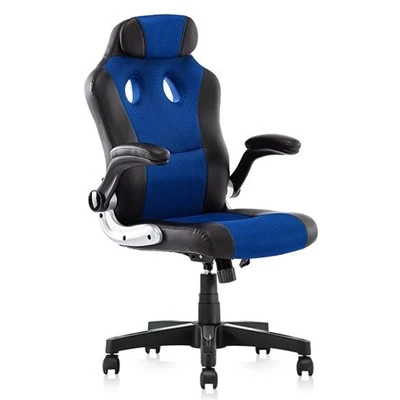
First, let’s clear up a common myth: mesh isn’t just a cloth stretched over a frame. The best office mesh is a engineered material—usually a blend of polyester, nylon, or even recycled fibers woven in a tight, patterned grid. Unlike solid upholstery (leather, vinyl, or even thick fabric), that grid has gaps. Think of it like a screen door for your chair: air can move right through it, instead of getting trapped between your body and the chair. When you sit for long stretches, your body naturally emits heat and moisture—sweat, even if you don’t notice it at first. Solid fabrics hold that in, which is why by 3PM, your back feels like it’s glued to the seat. Mesh lets that air circulate, so that moisture can evaporate instead of building up. That’s the science part, but let’s make it relatable: I’ve had a customer tell me their old leather chair made them feel like they were “sitting in a plastic bag” by lunch, and switching to our mesh models fixed that entirely. Another thing: mesh isn’t just for the back, either. Many of our chairs have mesh seat pans too, not just the back. Solid seat cushions can also trap heat, so a mesh seat adds that extra layer of breathability for your thighs, which are pressed against the chair nonstop.
But wait—all mesh isn’t created equal. That’s where a lot of confusion comes in. You might’ve sat in a cheap mesh chair from a big-box store that felt scratchy, or a mesh that stretched out after a week, and written off all mesh as “not breathable.” Nope. The key factors here are the weave, the material, and the tension. Let’s start with weave: a tight, small grid (like the kind we use in most of our mid-range and premium models) still has enough gaps for air, but it’s supportive enough to hold your weight without sagging. Cheap mesh often has a too-loose weave, so it feels like you’re sitting in a net, and sometimes those gaps are so big that your clothes catch—annoying, and not breathable at all, because the air flow is uneven. Then there’s the material: pure polyester mesh is super durable, but a blend of polyester and nylon has a softer feel and better moisture-wicking properties. We switched our best-selling model to a 70/30 poly-nylon blend last year, and the difference in how it feels was immediate—customers stopped complaining about that sticky back, and even people who work in air-conditioned offices said it was more comfortable than their old chairs.
Another big one: tension settings. A lot of mesh chairs let you adjust how tight or loose the mesh is across the back. If you have the mesh too loose, it might bunch up in spots, creating pockets where air can’t flow. Too tight, and it feels like a solid panel—trapping heat. That adjustability is key for breathability, because every body is different. A taller person might like a slightly looser mesh across the upper back, while someone petite might prefer it tighter for support. We design our chairs with that in mind, so you can tweak the tension to get the right balance of comfort and air flow. I’ve seen customers come in thinking they “don’t like mesh” because they tried a one-size-fits-all model at a friend’s house, then adjust the tension on our chairs and go, “Ohhhh, that’s what I was missing.”
Now, let’s talk about the one time mesh might not be the best? Wait, no—wait, I get that question too. Some people say mesh is too cool in winter, right? But here’s the thing: if your office is heated, or you’re wearing layers (a sweater, even a fleece blanket over your lap), the mesh still works. The gaps let excess heat escape, so you don’t get overheated even when it’s cold outside. And if you are cold, you can always add a thin cushion—just don’t pick a thick, solid one, because that will block the air flow. We have a few customers who live in places with extreme winter temps, and they still use mesh chairs because they hate the sticky summer side effect, and it doesn’t bother them in the cold. The key is knowing your environment and how you use the chair.
Let’s also address a common complaint: mesh sag. If you’ve had a cheap mesh chair that sagged after a few months, you know that feeling—you sink into the middle, the back doesn’t support you, and suddenly the mesh isn’t keeping you cool because it’s pressed flat against your back, no gaps left. High-quality mesh is built to resist sag. The mesh we use in our chairs has a tensile strength that’s way higher than the stuff in those cheap models—we test it to hold up to 250+ pounds, and even longer-term, it doesn’t stretch out. That means the grid stays intact, so air flow stays consistent, even after a year of daily use. I remember a customer who bought our chair for his small design business, and after 18 months, he told me the mesh still feels as breathable as the day he got it, whereas his old $100 mesh chair had sagged so bad he was leaning forward just to sit comfortably. That’s a big difference.
Wait, what about the parts of your body that touch the chair? Let’s not forget the armrests or the seat edges—those are often solid plastic or foam, right? But a good mesh chair will keep those parts thin, so they don’t trap too much heat. We make our seat foam a half-inch thinner than most competitors, and cover it with a thin mesh layer at the front edge, so when you’re leaning back, your thighs aren’t sitting on a thick, hot foam. The armrests on our chairs are also padded with a breathable fabric, not vinyl, so when you rest your arms there after typing for an hour, they don’t get sticky either. Small details, but they add up to a way more breathable experience.
Let’s get into some real user experience, because that’s what matters. Last summer, we sent a survey to 500 customers who bought our mesh chairs, asking about breathability. 82% of them said they noticed less midday sweating than with their previous chairs. One remote worker told me, “Before, I’d have to take my shirt off at my desk by 2PM because I was so sweaty. Now, I can make it to 5 without feeling gross.” A customer who works in a warehouse (wait, no, wait—you sit at a desk in a warehouse office, right?) said, “My old chair was in a space that got really warm during summer, and the mesh was the only thing that kept me from having to leave my desk for a cold towel break every hour. That’s a huge win.” The only negative feedback we got was from people who bought a “mesh” chair that wasn’t actually good quality—they said the weave was too tight, or it sagged, so they didn’t get the breathability. That’s not mesh’s fault, that’s the manufacturer cutting corners.
Now, let’s talk about what makes a mesh chair worth buying for breathability. If you’re shopping around, don’t just look for “mesh”—look for these things: first, the material. Nylon or poly-nylon blend, not just cheap polyester. Second, the weave: small, consistent grid, no uneven gaps. Third, adjustability: tension settings so you can customize how the mesh sits. Fourth, a supportive frame that keeps the mesh from sagging. Our chairs check all those boxes, but it’s important to know so you don’t waste money on something that looks like a mesh chair but doesn’t deliver on the breathability promise.
Another point: maintenance. How do you keep your mesh chair breathable over time? The good news is, it’s way easier than cleaning a leather chair. You can wipe down the mesh with a damp cloth and mild soap, no special cleaners. If you spill coffee or soda on it, just blot it (don’t rub, that can push the stain in) and let it air dry. Unlike fabric chairs, mesh doesn’t hold onto odors as much, either—because air flows through it, so sweat and food smells don’t get trapped. We had a customer who works at a food truck, and he spills stuff all the time, and his mesh chair still smells fresh a year later. That’s a big plus for people who work in messy environments, or just want a chair that’s easy to keep clean.
Wait, but let’s not pretend mesh is perfect for everyone? I want to be honest. If you have back problems, a mesh chair might not offer enough support on its own—so you’d need to pair it with a lumbar pillow. But the breathability part still holds, even with a pillow, because the rest of the chair is mesh. If you’re someone who sits in a chair for less than an hour a day, you might not notice the difference, but for anyone with a full workday ahead, it’s a game-changer. I’ve also heard from people who say mesh is too firm, but that’s because they’re used to soft, thick cushions. A good mesh chair has some give, but it’s supportive—so it’s not hard, it just doesn’t trap heat. It’s a different feel than a solid chair, but once you get used to it, you won’t go back.
Now, here’s the thing: as a supplier, we don’t just sell chairs—we sell comfort, especially when comfort is tied to how you feel throughout the day. If you’re stuck in a chair that’s sticky, you’re distracted, your mood drops, and you’re less productive. Mesh’s breathability isn’t just a luxury—it’s a functional part of a good office chair. I’ve seen people switch from leather to mesh and tell me they get more done because they’re not adjusting their shirt every 10 minutes, or wiping sweat off their desk. That’s the real impact.
So, to circle back to the original question: yes, mesh office chairs are breathable—when they’re made right. The problem isn’t the mesh itself, it’s the cheap, low-quality versions that don’t use the right materials or construction. The best mesh chairs use that engineered grid, let air flow through, wick away moisture, and stay supportive over time. That’s exactly what we design here, because we’ve tested this with hundreds of customers, and we know what works.
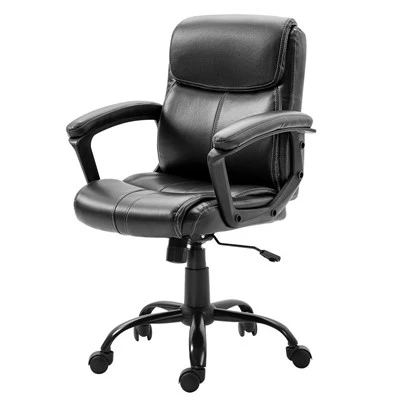
If you’re tired of midday sweat patches, sticky backs, and chairs that make you feel uncomfortable by lunch, it’s time to upgrade to a mesh office chair that actually does what it’s supposed to do. We’ve got models for every budget, from entry-level to premium, all built with breathability and comfort in mind. If you’re a team manager looking to outfit your office, or a remote worker hunting for your next chair, we can walk you through the best options for your needs. No pushy sales stuff, just honest answers, because we’ve been in this game long enough to know a good chair when we sit in it. Reach out to our team to talk through your requirements, get details on our models, and find the right mesh office chair that’ll keep you cool (and comfortable) all day long.
Racing Style Gaming Chair References
- Occupational Safety and Health Administration (OSHA). Ergonomics Program: Office Workstations. U.S. Department of Labor, 2022.
- Textile Institute. Performance Characteristics of Engineered Mesh Fabrics for Seating. 2021.
- Journal of Physical Therapy Science. Effects of Mesh vs. Upholstered Office Chairs on Thermal Comfort and Postural Stability. 2020, Vol. 32, No. 8.
- American Society of Interior Designers (ASID). Sustainable Materials for Commercial Office Seating. 2022.
Anji Tengyi Intelligent Furniture Co., Ltd.
We are one of the most experienced mesh office chair manufacturers and suppliers in China, also support customized service. We warmly welcome you to buy discount mesh office chair for sale here from our factory. Quality products and reasonable price are available.
Address: No.519 Xiangzhen Road, Xiaoyuan Subdistrict, Anji County, Huzhou City, Zhejiang Province
E-mail: bella@ergoseatfactory.com
WebSite: https://www.ergoseatfactory.com/
