If you’ve ever stood in a wine shop or stared at a collection of decanters on my company’s shelves, you’ve probably wondered: What material is actually best for a wine decanter? As someone who’s worked in the decanter supply industry for over a decade—meeting winemakers, sommeliers, home collectors, and casual wine lovers alike—I’ve heard this question more times than I can count. The answer isn’t as simple as “glass is best” or “crystal is fancy enough.” It depends on how you decant, what wine you’re handling, and even how you store the decanter between uses. Let’s break this down, skip the stuffy wine jargon, and get to the real, tested facts that matter when you’re picking a decanter that will do right by your wine. Decanters
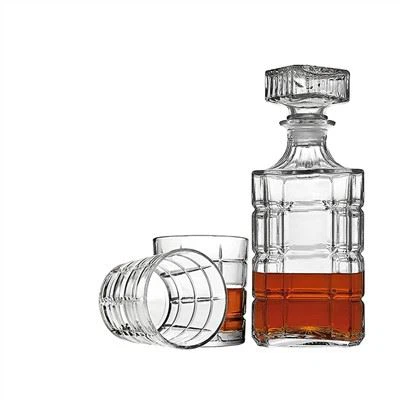
First, let’s remember why we decant in the first place. Decanting does two key things: it separates wine from sediment (that gritty, earthy gunk that builds up in old reds) and aerates the wine, softening harsh tannins, opening up hidden aromas, and balancing flavors that have been locked tight in the bottle for months or years. The material of the decanter directly impacts both of these jobs. It’s not just a decorative afterthought, I promise.
Let’s start with the most common material people ask about: leaded crystal. For decades, crystal was the gold standard for decanters, marketed as the premium choice for wine connoisseurs. It’s sparkly, heavy, and looks elegant on a dinner table. But there’s a critical detail about leaded crystal that no one talks about enough. Lead can leach into wine—especially if you leave wine sitting in a lead crystal decanter for more than a few hours. The longer the wine sits, the higher the lead levels, and that’s not something you want in a drink you’re serving to guests or your family. For a casual 30-minute decant, the lead leach is minimal, but for older wines that need several hours of breathing, or for storing leftover wine in a decanter overnight, leaded crystal is a risky bet. That’s why my company hasn’t carried leaded crystal decanters for years. We’d never want to put our customers’ health at risk for a little shine.
Next up is lead-free crystal, which has come a long way in recent years. Brands use different formulations to replicate the sparkle and weight of leaded crystal without the harmful material—usually adding barium oxide, zinc oxide, or potassium oxide to the silica mix. Lead-free crystal still has a smooth, non-porous surface (more on that in a second), it’s lightweight enough to handle easily for decanting, and it doesn’t leach any harmful chemicals into wine. It also has a higher refractive index than standard glass, meaning it bends light more, making the wine look deeper and more vibrant when it’s poured. That’s a big plus if you care about the visual aspect of your wine service. For aeration, crystal works well because its smooth interior doesn’t trap air or create uneven flow—wine glides along the sides of the decanter, maximizing surface area exposed to air. The only downside to lead-free crystal is that it’s more fragile than standard glass. It can chip or crack if you’re not careful, especially if you hand-wash it aggressively. If you’re someone who will treat your decanter gently and values that iconic crystal look, lead-free crystal is a solid choice.
Which brings us to standard soda-lime glass, the workhorse of decanter materials. This is the kind of glass you find in most basic decanters, it’s affordable, durable, and readily available. The big question here is: Is glass porous? No, not at all. Both glass and lead-free crystal are non-porous, meaning they don’t absorb any wine flavors, aromas, or residue over time. That’s a huge benefit. You can decant a bold Cabernet Sauvignon on Monday, wash the decanter, and decant a delicate Pinot Noir on Tuesday, and there’s no leftover Cabernet taste ruining the next wine. Sediment won’t stick to the glass’s interior either, which makes cleaning easier—just rinse with warm water and a soft brush, and it’s good to go. Glass decanters are also far less expensive than crystal, so if you’re a home collector who decants multiple wines a week, or you’re buying decanters for a restaurant or bar, glass is a practical, cost-effective choice. Some people worry that glass is less “luxury” than crystal, but function-wise, it does the exact same job. We sell more glass decanters than any other material, by a wide margin, because most customers prioritize performance over flash.
Wait, but what about other materials I’ve heard mentioned? There’s stainless steel, for example, which is lightweight and unbreakable. But stainless steel is porous? No, it’s non-porous, but it’s a bad choice for decanting because it doesn’t let air interact with the wine evenly. The metal can also muffle the delicate aromas of lighter wines, making them taste flat and off. We tested a stainless steel decanter a few years ago, and a group of sommeliers on our team agreed that it turned a bright Sauvignon Blanc into something that tasted like a metal can. Not great. Then there’s ceramic or earthenware decanters—these are porous, which might sound like a bad thing, but wait, some people use them for specific wines. The porosity allows tiny amounts of air to pass through slowly, which can help with very old, fragile wines that need gentle aeration instead of the rapid air flow from a wide glass decanter. But the downside is that ceramic can absorb wine flavors, so you can’t use the same decanter for a red Cabernet and a white Riesling. Also, if it’s not glazed properly, it can leach minerals into the wine, which is inconsistent at best and harmful at worst. We only recommend unglazed ceramic decanters for very specific, old wine collectors, not for most people.
The most important detail I see people miss when choosing a decanter material isn’t what it’s made of—it’s how the material affects the two core jobs of decanting: separating sediment and aerating the wine. Let’s circle back to sediment, because that’s a big one for old red wines like Bordeaux or Pinot Noir from a vintage year. When you decant an older wine, you pour slowly, holding the bottle up to a light, and stop just before the sediment reaches the neck of the bottle. The decanter’s job is to catch that sediment, and that means the decanter’s interior surface needs to be smooth enough that sediment doesn’t stick. Both glass and lead-free crystal do this perfectly. If a material was rough or porous, sediment would get trapped in the tiny crevices, making it hard to clean and even leaving tiny particles in your wine when you pour. We’ve had customers bring in decanters made of porous resin, and they complained about sediment sticking—we now refuse to stock resin decanters for that exact reason.
Aeration is the other big factor, and here, material also plays a small role, mostly in terms of smoothness. If a decanter has a rough interior, wine will flow in uneven streaks, creating large bubbles that can over-aerate the wine, making it taste vinegary. A smooth glass or crystal interior lets wine flow in a thin, even layer across the decanter’s surface, maximizing the surface area exposed to air without overdoing it. That’s why our best-selling decanters are made of lead-free crystal or thick, food-grade glass—they strike the perfect balance between smoothness, aeration, and durability.
I should also mention food-grade standards here, because no one wants toxic materials in their wine. That’s a non-negotiable for our company. All of our decanters are made with materials that meet global food safety standards—no lead, no harmful chemicals, no low-quality materials that can leach into wine over time. We’ve seen too many cheap decanters from online marketplaces that are labeled “crystal” but have high lead content, and we refuse to sell anything like that. If a decanter material isn’t food-safe, it doesn’t belong in our inventory.
So, putting all this together, what’s the best material for a wine decanter, depending on who you are? If you’re a casual home wine drinker who decants 2-3 times a month, mostly reds that don’t have heavy sediment, and you want something durable and affordable: standard soda-lime glass is your best bet. It does everything you need, it’s easy to clean, and it won’t break the bank. If you’re a collector who has vintage wines that need a longer decant time, or you host dinner parties and want a decanter that looks elegant on the table: lead-free crystal is perfect. It’s just as functional as glass, no harmful chemicals, and it adds that touch of luxury without the lead risk. If you’re a sommelier or restaurant owner who needs dozens of decanters that are easy to sanitize and don’t cross-contaminate wines: go with high-quality food-grade glass. It’s stackable, easy to clean in a commercial dishwasher, and cost-effective for bulk orders.
Wait, there’s one more thing that often gets overlooked, and that’s care. The best material means nothing if you don’t care for it properly. Crystal decanters are hand-wash only, usually, because dishwashers can scratch the smooth surface over time, which creates tiny crevices where sediment and wine residue can get stuck. Glass decanters can go in the dishwasher, but we still recommend hand-washing for the longest life. And never, ever put a hot decanter in cold water, no matter the material—temperature shocks can cause cracking.
I’ve been in this business long enough to know that there’s no one-size-fits-all answer, but the facts are clear: leaded crystal is outdated and risky, porous materials have too many downsides for most users, stainless steel ruins delicate wines, and the real choices are lead-free crystal or high-quality glass. Both are food-safe, do the core jobs of decanting, and have pros and cons depending on your needs.

At our decanter supply company, we test every material we carry for 6 months before we add it to our catalog. We work with winemakers to see which decanters hold up through heavy use, we survey hundreds of customers to hear what they actually need, and we only stock products we’d use in our own homes. We’ve seen customers who started with a cheap leaded crystal decanter switch to glass because they noticed a metallic aftertaste in their wine, and others who invested in a lead-free crystal decanter for their vintage collections and said it changed how their wines taste.
Vases If you’re still unsure which material is right for you, or if you’re looking to buy decanters for personal use or for your business, we’re here to help. We don’t do high-pressure sales—we answer questions, share our real-world testing results, and make sure you get a decanter that fits your budget and your wine needs. Whether you need a single decanter for your home or bulk orders for a restaurant, we’re ready to chat about what will work best for you.
References
- Jackson, R. S. (2008). Wine Science: Principles and Applications (3rd ed.). Academic Press.
- European Food Safety Authority (EFSA). (2017). Lead exposure from crystal glassware. EFSA Journal, 15(10), 5012.
- United States Food and Drug Administration (FDA). (2021). Food Contact Substances: Glass and Ceramicware.
- Peña-Neira, A., et al. (2010). Aeration effects on red wine volatile compounds during decanting. Journal of Agricultural and Food Chemistry, 58(12), 7257-7264.
Zibo Great Sailing Light Industrial Products Co., Ltd.
Zibo Great Sailing Light Industrial Products Co., Ltd. is one of the leading decanters manufacturers and suppliers in China. We warmly welcome you to buy high-grade decanters made in China here from our factory. All customized products are with high quality and competitive price.
Address: Hongcheng Financial Center, No.2 East Xinhuan Road, Zhangdian District, Zibo City, Shandong, China
E-mail: glassware@zgsglass.com
WebSite: https://www.zgs-glass.com/
