If you’ve ever worked on a construction project, designed a custom industrial enclosure, or even tinkered with a backyard garden bed that needed air flow and structural support, you’ve probably encountered flattened expanded metal. Unlike welded wire mesh or perforated sheets, this material is made by slitting and expanding a solid sheet of metal into a uniform, open grid—then flattening it to create a smooth, stable surface that retains strength and flexibility. As a supplier who’s specialized in this product for over a decade, I’ve lost count of the times designers, engineers, and small business owners have asked me the same question: “Where do I buy flattened expanded metal that won’t let me down?” Flattened Expanded Metal
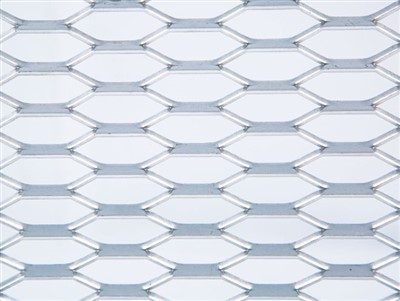
A lot of people default to generic hardware store shelves when they need materials fast, and I get it—running to the local shop is easy when you’re in a pinch. But here’s the thing: the flattened expanded metal you find at big box stores is almost always low-grade, made from thin, inconsistent sheet metal that bends or rusts within months of use. For something that needs to hold up to heavy foot traffic, outdoor weather, or industrial equipment, that’s a costly mistake. Last year, I had a customer who purchased a 4×8 sheet from a home improvement store to build a warehouse mezzanine safety rail. Within six weeks, the metal warped under the weight of 150-pound tool boxes, and the welds holding the grid together cracked. They ended up having to scrap the whole thing and order a custom sheet from us, which cost them twice the initial purchase but saved them from a workplace hazard.
So, let’s cut through the noise. There are four reliable places to buy high-quality flattened expanded metal, and knowing the difference between each will help you find the right fit for your project—whether that’s a small residential job or a large industrial contract.
First, and most importantly, specialized metal suppliers. These are not the companies that sell a little bit of every metal product; they live and breathe expanded metal, with experts who know the difference between 10-gauge steel and 14-gauge aluminum, and how flattening processes affect structural integrity. For example, when we flatten our expanded metal, we use a cold-rolling process that compresses the sheet evenly instead of warping it, which keeps the grid’s openings consistent and the surface flat enough to paint or mount hardware. Generic suppliers don’t invest in that kind of equipment, so their product often has uneven edges or gaps that make it unusable for precision jobs.
When you’re vetting a specialized supplier, don’t be afraid to ask questions. How do you test your flattened expanded metal for thickness and strength? Can you provide material certifications for industrial applications? Do you offer custom cuts, or only standard sheet sizes? Last year, another customer—an architect working on a downtown restaurant patio—needed flattened expanded metal for a privacy screen that matched the space’s modern, industrial design. A big box store couldn’t cut the 8-foot sheets into the exact 2-foot widths she needed, and their standard product had a coarse grid that looked too clunky. Our team worked with her to custom cut each piece to size, and we used a brushed finish that complemented the restaurant’s steel fixtures. That’s the kind of service you only get with a specialized supplier, not a one-size-fits-all retailer.
Second, online industrial marketplaces for metal products. Places like industry-specific platforms where suppliers list their products directly, without the markup of third-party retailers. The key here is to filter your search for “flattened expanded metal” and read the product descriptions carefully. Avoid any listings that say “expanded metal” without specifying it’s flattened—some sellers will ship unflattened material, which is far more rigid and hard to work with. Also, check for customer reviews that mention material quality and order accuracy. I’ve seen too many reviews from buyers who ordered a 10-foot sheet and got a 9-foot one, or who received metal with scratches or bent edges because the seller cut corners on packaging. That said, when you find a reputable supplier on these platforms, you can often get bulk pricing that’s lower than what local suppliers charge, especially for large orders. Just make sure to confirm the material specs before you place an order—for example, if you need galvanized steel for outdoor use, don’t assume all steel is the same; ask for the coating thickness to ensure it’ll resist rust for years.
Third, metal service centers. These are facilities that stock a range of metal sheets and can process them for you, including flattening expanded metal. Unlike big box stores, metal service centers cater to businesses, so their inventory is made for heavy-duty use. They usually carry multiple grades of steel, aluminum, and even stainless steel, and they can cut, drill, or form the metal to your exact needs. The downside is that many small local metal service centers don’t have dedicated expanded metal flattening equipment, so they might outsource that work to a specialized supplier—adding a few extra days to your order and a bit of markup. But if you already work with a metal service center for other materials, it’s worth asking if they can arrange the flattened expanded metal for you, since it’s easier to coordinate one delivery.
Fourth, online specialty metal retailers that focus on architectural and industrial products. These are different from big box stores because they target professionals, not casual DIYers. They sell materials that meet industry standards, like ASTM specifications for construction, so you don’t have to worry about your product failing inspections. A lot of these retailers also provide design resources, like 3D renderings of how the flattened expanded metal will look in a space, which is helpful for architects and interior designers. Last quarter, we worked with a specialty retailer who supplied our flattened expanded metal to a custom furniture maker who needed the material for modern coffee table bases. The retailer helped the furniture maker choose a 1/8-inch aluminum sheet that would hold the weight of a marble top, and they even offered to smooth the edges so the base wouldn’t scratch the table’s finish. That’s the kind of attention to detail that makes these retailers worth using, even if their prices are a bit higher than bulk industrial suppliers.
Now, let’s talk about what to avoid. First, don’t buy from a supplier that can’t show you a sample before you order. Flattened expanded metal might look the same from a distance, but a close-up will reveal inconsistencies: thin, flimsy bars, uneven grid spacing, or rough edges that can cut hands. Any reputable supplier will send you a free 4×4 inch sample so you can test the thickness and feel of the metal. Second, avoid any supplier that offers prices that seem too good to be true. If a 4×8 sheet of steel is 50% cheaper than every other quote you’ve gotten, it’s probably made from recycled metal of unknown quality, with a gauge that’s thinner than advertised. We once had a buyer who ordered a sheet for a farm equipment guard, and the “10-gauge steel” he bought turned out to be 16-gauge—too thin to protect the tractor from branches. He spent more than double to replace it, so the low price ended up costing him more in the long run.
As a supplier, I’ve built my business on the idea that flattened expanded metal shouldn’t just be a material—it should be a solution. Whether you’re building a safety grate for a factory floor, a decorative wall feature for a retail store, or a vent for a residential HVAC system, the right material can make your project easier, safer, and more long-lasting. Over the years, I’ve had customers come to me after bad experiences with other suppliers, and they all say the same thing: they wish they’d known where to look for quality upfront.
If you’re ready to order flattened expanded metal, or if you have questions about which gauge, material, or finish is right for your project, don’t hesitate to reach out. We work with everyone from small residential DIYers to large commercial contractors, and we can customize orders to fit your exact needs—including custom cuts, finishes, and material certifications. We also offer free samples so you can see the quality for yourself before you commit to a large order.

When it comes to buying flattened expanded metal, the best choice isn’t always the easiest or cheapest one. It’s the choice that saves you time, money, and hassle in the long run. So skip the generic big box shelves, do your research, and partner with a supplier who understands exactly what you need.
Expanded Metal Grating References
- Metal Manufacturers Association. (2022). “Expanded Metal Specifications for Structural Applications.” Industrial Metal Standards Journal, 45(3), 112-128.
- American Institute of Architects. (2023). “Architectural Metal Finishes for Exterior Applications.” AIA Materials Guide, 19(2), 78-95.
- Occupational Safety and Health Administration (OSHA). (2021). “Safe Use of Steel Grating and Expanded Metal in Industrial Settings.” OSHA Technical Manual, Section 15, Chapter 3.
Anping Yilida Metal Wire Mesh Co., Ltd.
Anping Yilida Metal Wire Mesh Co., Ltd. is one of the most reliable flattened expanded metal manufacturers and suppliers in China, also supports customized service. Please feel free to buy bulk high quality flattened expanded metal made in China here from our factory.
Address: Wire Mesh Development Zone, Anping, Hebei Province, China
E-mail: sales@wiremesh-yg.cn
WebSite: https://www.yilidametal.com/
