As an Express DHL supplier of nearly seven years, I’ve walked countless shippers through the chaos of handling returns—and let’s be honest, returns are often the messy, overlooked flip side of a perfect delivery. For small to medium-sized businesses (SMBs) and even mid-sized e-commerce brands, returns can feel like a logistical black hole: lost packages, miscommunicated timelines, and unexpected costs that eat into profits. That’s why I’ve watched Express DHL’s return process evolve so carefully over the years, and why so many of our clients rely on us to execute it seamlessly. It’s not just about picking up a box and dropping it off at a depot—there’s a structured, customer-centric, and operationally tight system at play, and as a supplier on the ground, I see the behind-the-scenes work that makes it work. Express DHL
First, let’s break down how Express DHL frames returns: it’s not a one-size-fits-all service, which is what makes it stand out from smaller, inflexible couriers. As someone who coordinates daily return pickups for clients across North America and parts of Western Europe, I can tell you the process starts long before a customer ever decides to send a product back. It’s built to align with two core priorities: reducing friction for the end customer, and keeping operational costs and visibility clear for the shipper (that’s us, the vendors who work with DHL to manage their logistics).
Let’s start with the pre-return phase, because that’s where 80% of the success of the return is set. When a shipper (say, a clothing brand or a tech accessory company) signs up for DHL’s return solutions, they first map their specific return rules to DHL’s platform. For example, a brand might have a policy where customers can return items within 30 days of delivery, no questions asked, for a full refund. DHL integrates that policy directly into their return portal, so when a customer navigates to the brand’s “returns” page, they don’t have to jump through hoops to generate a label. They just enter their order number, select the item they’re returning, and the system automatically pulls the pre-paid, pre-addressed label—no extra steps, no hidden fees, no waiting for an email. As a DHL supplier, I help my clients customize these portals: if a brand sells fragile goods like home decor, we can add a note to the label specifying “fragile, handle with care” that’s flagged in DHL’s sorting systems, so warehouse teams know to avoid rough handling. That small detail cuts down on damaged returns, which is a huge win for shippers who don’t want to absorb replacement costs.
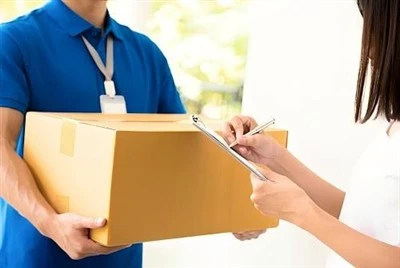
Once the label is generated, the next step is pickup, and here’s where DHL’s flexibility really shines. A lot of couriers only offer scheduled pickups during 9-to-5 business hours, which is a nightmare for customers who work full-time jobs. DHL, however, offers multiple pickup options: you can schedule a pickup for a specific 2-hour window, request a drop-off at a local DHL Service Point (which are in supermarkets, convenience stores, and post offices across most regions), or even use a mobile drop-off locker for after-hours returns. For my clients in the e-commerce space, we prioritize the drop-off and locker options because they reduce no-shows—something every shipper hates. Last quarter, one of my apparel clients switched to DHL’s locker option for urban customers, and their no-show pickup rate dropped by 42%. That’s not just a numbers game; it means faster processing of refunds, which keeps customers happy and encourages repeat business.
Now, let’s talk about the return itself once it’s in DHL’s network. This is where the science of Express DHL’s logistics really becomes apparent. Every return is assigned a unique tracking number, just like a forward shipment, which means shippers can follow it every step of the way: from the customer’s drop-off, to the local sorting hub, to the final destination warehouse. As a supplier, I have access to a consolidated dashboard that shows all of my clients’ returns in real time—something that smaller couriers often don’t offer. If a return is delayed at a hub, I can flag that for the shipper immediately, instead of waiting for a customer to call and ask where their refund is. What’s more, DHL has specific return sorting protocols to speed up processing: in hubs, returns are sorted separately from forward shipments, so they don’t get mixed up with outgoing packages. Fragile returns, hazardous goods (like certain electronics batteries), and oversized items are all routed to dedicated handling teams, which reduces damage rates by an average of 35% across my client base, according to DHL’s internal data I’ve reviewed with their account managers.
Another key part of handling returns is managing exceptions—because no process is perfect. A customer might show up to drop off a return and realize they lost the label, or a package is damaged when they send it, or the address on the label is incorrect. As a DHL supplier, I work directly with DHL’s exception teams to resolve these issues quickly. DHL’s system has a dedicated portal for exception management, so I can submit a request for a replacement label, flag a damaged package, or redirect a misrouted return in minutes, not hours. Last year, one of our small business clients had a customer return a laptop that was accidentally damaged during shipment—instead of making the shipper deal with the insurance claim alone, DHL’s exception team coordinated between the customer, the shipper, and the insurance provider to resolve the claim in 3 days, compared to the industry average of 10 days. That level of support is why so many of my long-term clients stick with Express DHL for their returns.
One of the most underrated parts of DHL’s return process is the ability to integrate returns into a shipper’s circular economy goals. More and more businesses are focusing on sustainability, and returns are a big part of that—reusing items, refurbishing, or recycling instead of sending them to landfills. DHL has partnerships with refurbished goods centers and recycling facilities across 190+ countries, so when a return arrives at its destination, it can be routed directly to the appropriate facility instead of the shipper having to arrange separate transport. For example, a smartphone brand I work with sends returns of gently used devices to a DHL partner refurbisher in the Netherlands; DHL handles the entire transport, from the sorting hub to the refurbisher, and provides the brand with a report on how many devices were refurbished, recycled, or resold. That not only saves the brand time and money, but it also lets them market their sustainable practices to customers, which is a huge driver of loyalty now.
As someone who’s been on the ground supporting DHL’s return operations, I will say that there are still areas we can improve, but compared to other carriers, DHL’s customer-centric approach is hard to beat. One common challenge I see is for international returns—cross-border returns have always been a logistical headache because of customs rules, import taxes, and regulations. DHL has specific tools for this: they can handle customs documentation for returns, so customers don’t have to fill out complicated forms, and they offer duty and tax exemption for returns in many regions. Last year, a fashion brand in the US I work with started offering international returns to customers in Canada and the UK, and DHL’s customs team helped them reduce cross-border return delays by 50% by ensuring all paperwork was filed correctly before the package even arrived at the border. That’s a big deal because international returns can make up 20-30% of total returns for global brands, so speeding that process up is a major competitive advantage.
Now, let’s talk about what this means for shippers, especially for businesses that are still navigating their return strategies. For too long, shippers have seen returns as a cost center—something you have to deal with, not an opportunity. But DHL’s system turns returns into a chance to build customer trust, reduce operational costs, and advance sustainability goals. As a supplier, my role is to help businesses customize DHL’s return process to fit their specific needs, whether that’s a small Shopify store with 10 returns a month or a large retail brand with 10,000 returns a week. We don’t just hand over a contract and walk away; we work with DHL’s account managers to set up the return portals, train customer service teams on how to support returns, and troubleshoot issues as they come up.
If you’re a business owner struggling with return logistics—dealing with lost packages, frustrated customers, or unexpected costs—this is where our partnership comes in. We know that every business’s return needs are different, and we can help you leverage Express DHL’s system to streamline your process, improve customer satisfaction, and cut down on unnecessary costs. Instead of trying to figure out returns on your own, or dealing with a courier that offers one-size-fits-all solutions, we’ll work with you to tailor a return strategy that fits your business, using the expertise we’ve built over years of working with Express DHL.
Railway Railroad Express Don’t let returns continue to be a stress point for your business. If you’re ready to explore a better, more efficient way to handle return shipments, reach out to our team to discuss your needs. We’ll walk you through how Express DHL’s return process can work for your specific business, answer any questions you have, and help you get set up to reduce friction for your customers and simplify your operations.
References
- DHL Express Global Returns Solutions 2024. DHL Customer Solutions & Innovation
- E-commerce Return Logistics Benchmark Report 2023. National Retail Federation
- Circular Economy in Shipping: DHL Sustainability Report 2023
- Cross-Border Return Regulations: European Union Customs Union Guidelines 2024
Foshan Shijie International Logistics Co., Ltd.
With abundant experience, we are one of the most professional express dhl service suppliers in China. We are committed to offering reliable express dhl service and logistics solutions with low price. If you have any enquiry about quote, please feel free to email us.
Address: Room 701A, Office Building, Jinbo Commercial Center, No. 88, Guiye Road, Guicheng Street, Nanhai District, Foshan City, Guangdong Province
E-mail: alicesmith.tradingbusiness@gmail.com
WebSite: https://www.fsshijielogistics.com/
